Home / Mount Shasta News / Mount Shasta Rescue on Avalanche Gulch at 10,600 feet

Mount Shasta Rescue on Avalanche Gulch at 10,600 feet

Mount Shasta, CA โ€“ On Saturday, March 28, 2026, a climber was injured by falling rock or ice high on Mount Shastaโ€™s Avalanche Gulch route above Helen Lake.
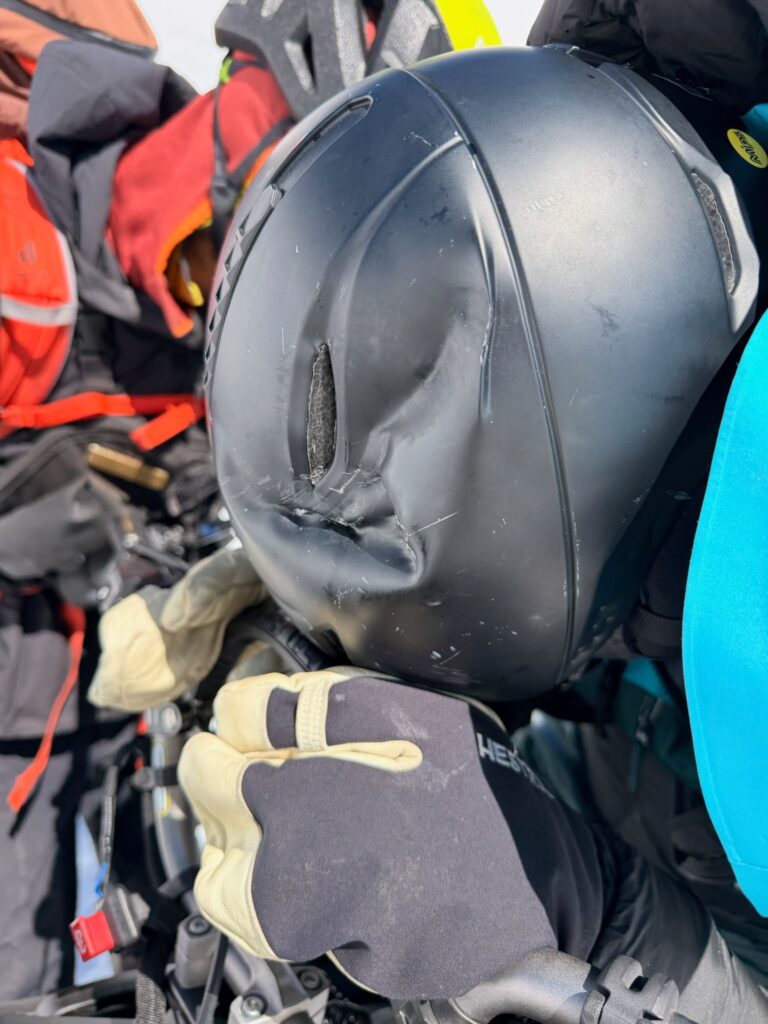
Helmets likely made a critical difference. (USFS Shasta-Trinity)

The incident occurred during a day climb when one member of a two-person team was struck by debris. Despite having limited extra gear, the uninjured climber quickly moved their partner to a safer location at Helen Lake, used available resources to keep them warm, and immediately called 911. These rapid actions helped stabilize the injured climber until rescuers arrived.

An interagency response was launched promptly, involving U.S. Forest Service Climbing Rangers, Siskiyou County Sheriffโ€™s Search and Rescue, and California Highway Patrol โ€“ Mount Shasta.

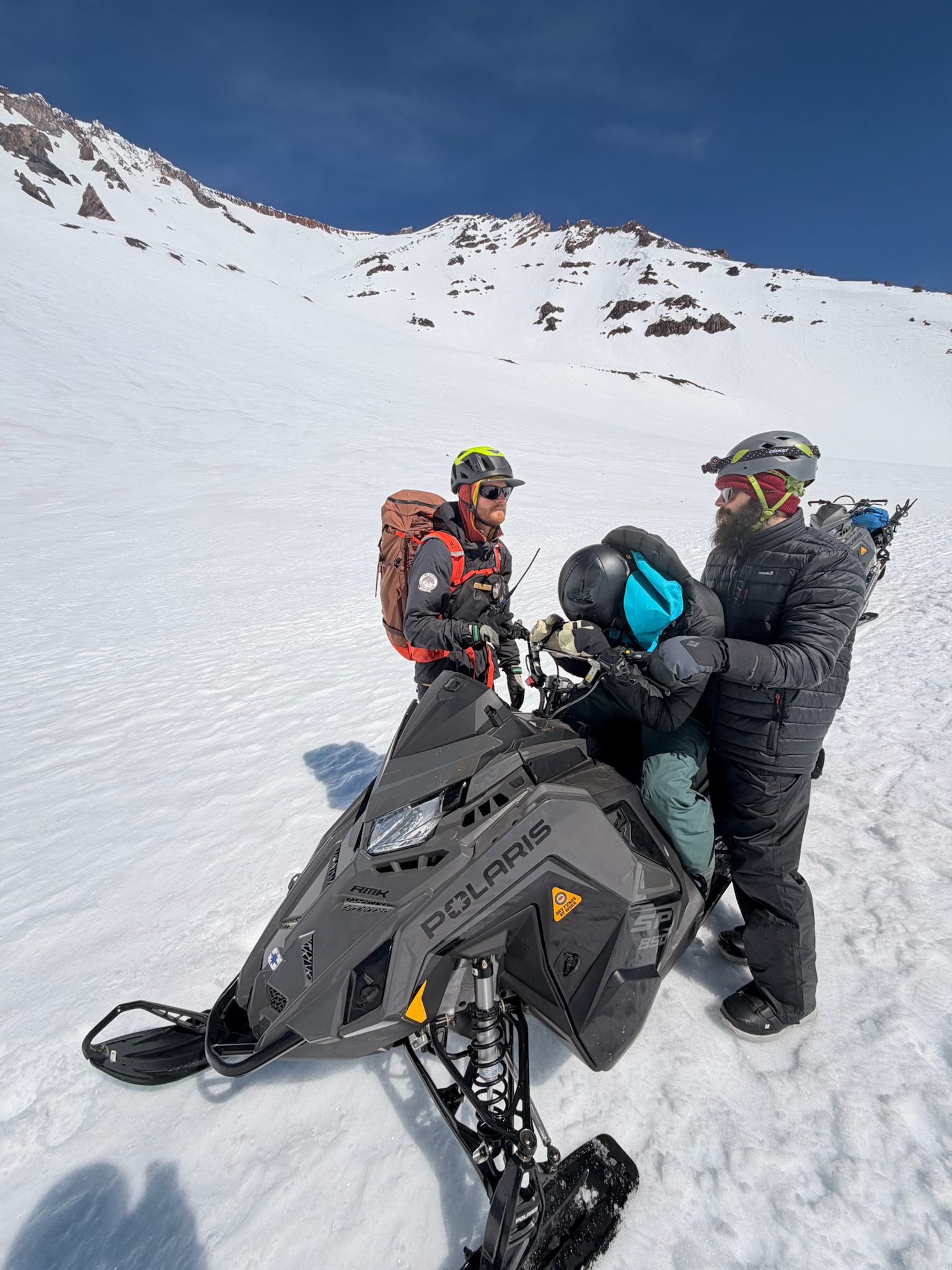
Initial plans for helicopter extraction were canceled due to high winds, shifting the operation to a ground-based rescue. USFS Climbing Rangers and Sheriffโ€™s SAR personnel reached the scene on foot and by snowmobile. They successfully evacuated the injured climber from Helen Lake down to Bunny Flat, where the individual was transferred to waiting medical personnel.

Both climbers were experienced and properly equipped, including the use of helmets, which likely helped prevent more serious injury. Officials commended the quick thinking and decisive actions of the uninjured climber, which played a key role in the positive outcome.

โ€œThis successful rescue demonstrates the effectiveness of strong interagency coordination and the professionalism of all personnel involved,โ€ said officials from the Shasta-Trinity National Forest.

The Shasta-Trinity National Forest and Mount Shasta Climbing Rangers remind all climbers that rock and icefall are constant hazards on Mount Shasta, especially on routes like Avalanche Gulch. Visitors are strongly encouraged to:

  • Identify and avoid overhead hazards and fall lines
  • Start climbs early in the day before solar warming increases rock and ice activity
  • Be prepared for rapidly changing mountain conditions

Leave a Reply

Your email address will not be published. Required fields are marked *