
Home / Archived / Featured Voices / More California Workers to Get Raises

More California Workers to Get Raises

By Travis Gillmore – California Insider

Minimum wages are on the rise in California this year, with employees of larger health care systems getting paid more starting Oct. 16, after fast-food workersโ€™ pay increased in April.

Health Care

Higher pay for certain health care providers was established with the passage of Senate Bill 525โ€”which set a tiered schedule for wages that increase annually up to $25 per hour for some health care systems based on a complicated list of requirements determined partly by the number of employees.

Employees of the largest hospital systems will earn at least $23 per hour, with annual raises of at least $1 an hour in 2025 and 2026.

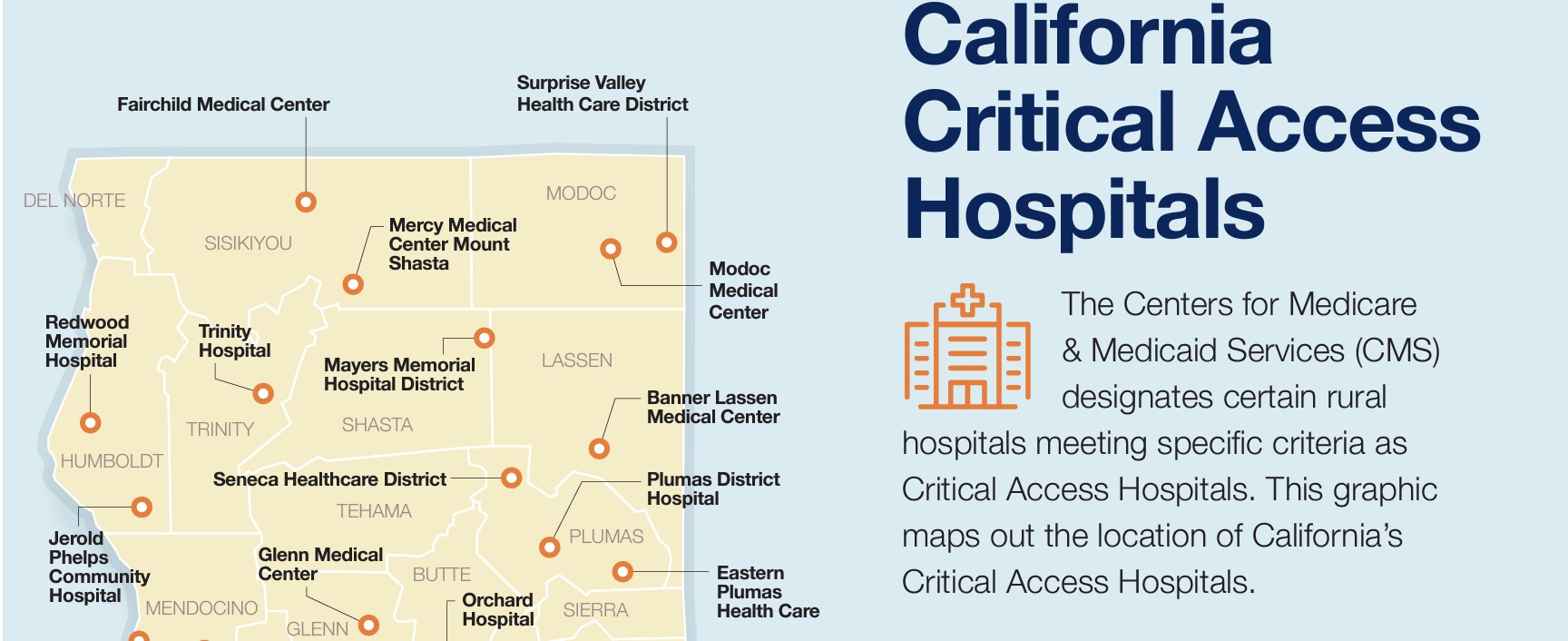
Workers at rural hospitals and those designated as safety-net facilities by the state will have the lowest wages, increasing to $18 per hour in October and $25 an hour by June 2033.

SB 525 was set to take effect June 1 but was initially delayed by legislative action until July 1.

The start date was paused again by the passage of Senate Bill 159โ€”which set the wage increase implementation for 15 days after state revenues increased to certain levels.

California Gov. Gavin Newsomโ€™s office told The Epoch Times delaying the implementation was โ€œresponsible fiscal policy.โ€

โ€œIt was prudent to watch the stateโ€™s revenues to make sure we were in a good position,โ€ a spokesperson for the governorโ€™s office said Oct. 14.

Recent monthly reports from the stateโ€™s Department of Finance show tax revenues slightly exceeding forecasts, clearing the way for the raises.

Some providers, including the University of California, chose to increase wages earlier this year.

Supporters, including the Service Employees International Union, said the law is needed to help support workers in the industry.

โ€œRaising wages for the lowest paid frontline health care workers is critical to addressing the staffing shortages in our hospitals and medical facilities that are leading to a patient care crisis,โ€ the group said on its website.

Lawmakers in the Assemblyโ€™s Appropriations Committee estimated in legislative analyses annual costs of at least $1 billion, with the stateโ€™s Department of Finance forecasting costs at approximately $1.4 billion.

Critics said that the wage increase law creates financial distress for the state and certain health care employers and that costs will ultimately be borne by taxpayers.

โ€œThis is just bad policy,โ€ Sen. Roger Niello told The Epoch Times in May.

Fast Food

While it remains to be seen how the wage law will impact the industry and the stateโ€™s finances, higher pay in the fast-food industry is the topic of two newly released studies.

study published by the Harvard Kennedy School in October found no โ€œsignificant effectsโ€ of the law.

โ€œIf anything, the evidence is suggestive of less understaffing as a consequence of the law,โ€ the researchers wrote.

Newsomโ€™s office said the study is evidence that the law is beneficial.

โ€œThat means the new lawโ€™s impact in the initial months has helped pull people out of poverty and no impact on their benefits or hours, while thousands more jobs have been added to the industry,โ€ a spokesperson from the governorโ€™s office told The Epoch Times Oct. 9. โ€œ[This offers] significant benefits for workers, without the devastating consequences that critics predicted.โ€

The study also noted challenges facing the industry, with approximately one-third of employees at some of the largest chains involuntarily working fewer than 35 hours per weekโ€”which the report said could โ€œlead to economic hardships, work-life conflict, and diminished health and well-being.โ€

โ€œEven more commonly, fast-food workers at large chains in California face unstable and unpredictable schedules,โ€ the report said. โ€œThese issues of hours insufficiency and schedule instability are likely to hamper the ability of a higher minimum wage to transform the lives of fast-food workers in terms of economic security and health and well-being.โ€

The report did not link the schedule issues to the wage hike.

Managers at several fast-food restaurants in Northern California told The Epoch Times in April after the law took effect that they were limiting hours to mitigate higher labor costs.

โ€œWe already raised prices, and weโ€™re … reducing hours and the amount of people working,โ€ said Kevin Cortez, general manager of a Wendyโ€™s location in the Bay Area.

A Sept. 30 study by the University of Californiaโ€“Berkeleyโ€™s Institute for Research on Labor and Employment found that while menu prices increased and profit margins decreased, parent companies and workers benefited from the wage increase.

โ€œWe find that a carefully implemented sectoral wage floor can raise worker pay without reducing the number of jobs or substantial consumer cost burdens,โ€ said Michael Reich, report co-author and Berkeley economics professor.

Researchers found that pay for workers rose by 18 percent for 90 percent of nonmanagerial employees, and no significant job cuts were observed. The study did not mention whether hours were cut.

Menu prices increased by slightly less than 4 percent, according to the study.

While profit margins shrank due to higher labor costs, the report found that margins were high enough in the industry to absorb โ€œa substantial share of the cost increase.โ€

And with higher prices leading to greater revenues, fees paid to parent companies increased because the amounts are calculated based on gross sales.

The governor said the reportโ€™s conclusions show that the policies are helping the stateโ€™s economy.

โ€œThis study reaffirms that our commitment to fair wages for fast-food workers is not only lifting up working families but also strengthening our economy,โ€ Newsom said in an Oct. 3 press release.

He points to U.S. Bureau of Labor Statistics dataโ€”which show the industry has gained about 7,400 jobs since the law took effectโ€”as proof of positive impacts.

Assembly Bill 1228โ€”which set the minimum wage at $20 an hour for chains that had at least 60 restaurants nationwideโ€”became effective April 1 after being passed and signed in 2023.

Californiaโ€™s hourly minimum wage for other industriesโ€”other than health careโ€”is currently $16.50. Voters will decide in November if the rate should increase to $18 per hour.

Travis Gillmore is an avid reader and journalism connoisseur based in California covering finance, politics, the State Capitol, and breaking news for The Epoch Times.

Leave a Reply

Your email address will not be published. Required fields are marked *