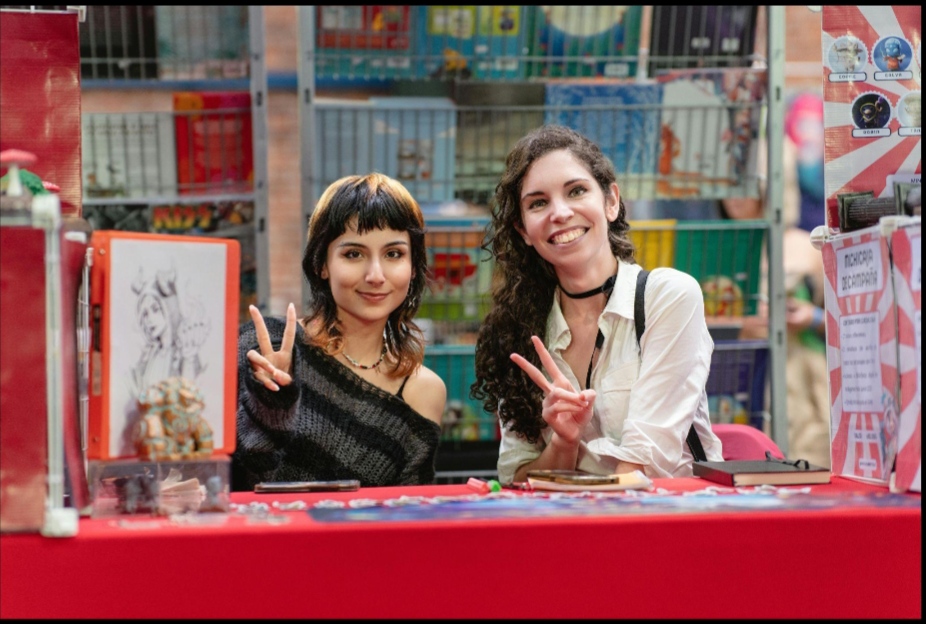
Small businesses thrive on connection, and local eventsโwhether street fairs, farmers markets, craft shows, or neighborhood pop-upsโoffer rare, high-impact opportunities to build that connection face to face. But crowded booths and similar offerings can make it hard to stand out. To truly make an impression, small business owners need a thoughtful blend of visual appeal, engagement tactics, and follow-up strategy.
Quick Overview
- Clear branding and messaging attract the right people fast.
- Interactive elements increase engagement and memorability.
- Custom merchandise extends your brand beyond the event.
- Fresh visuals prevent you from blending in.
- A structured follow-up plan turns conversations into customers.
The Real Challenge: Blending In
Walk through any busy fair and youโll notice a pattern: folding tables, vinyl banners, business cards in bowls. When every booth looks similar, potential customers move on quickly.
Problem: Limited time and attention from attendees.Solution: Distinctive presentation and interactive experiences.Result: Higher engagement, more meaningful conversations, and better recall after the event.
Small detailsโtable layout, signage clarity, color choicesโcan determine whether someone pauses or passes.
Why Fresh Visuals Matter More Than You Think
At fairs and pop-ups, many small businesses rely on generic templates or stock photos. The result? Visual sameness.
To stand out, you need imagery that reflects your brand personalityโnot something hundreds of others are using. A text-to-image tool allows you to generate original visuals from written prompts, helping you create specific scenes, moods, or branded concepts that align with your message. You can turn text into images with Adobe Firefly to quickly produce multiple variations of a concept and test which look resonates most with your audience.
Instead of depending on stock photography or hiring a designer for every new idea, you gain creative flexibility. Want a whimsical illustration? A bold, minimalist graphic? A themed seasonal backdrop? You can generate and refine concepts rapidly, helping your booth feel distinctive and fresh.
Make Your Booth Magnetic
First impressions happen in seconds. Your setup should instantly communicate:
- What you sell
- Who itโs for
- Why it matters
Table: Booth Element โ Purpose โ Practical Tip
| Booth Element | Purpose | Practical Tip |
| Banner or Signage | Immediate clarity | Use large, readable fonts and one core message |
| Product Display | Showcase value quickly | Arrange in tiers so items are visible from afar |
| Lighting | Draw attention | Use clip-on LEDs for indoor events |
| Brand Colors | Reinforce identity | Stick to 2โ3 consistent colors |
| Takeaway Item | Extend memory beyond event | Offer something useful, not disposable |
Consistency across these elements builds trust and recognition.
Donโt Just SellโEngage
People attend local events for experiences. If your booth is passive, youโll miss opportunities.
Engagement ideas:
- Live Demos
- Quick consultations
- Mini-samplesSpin-to-win discount wheel
- โAsk me aboutโฆโ conversation prompts
Even a short, memorable interaction creates emotional connection. That connection drives word-of-mouth later.
Tangible Takeaways That Keep You Top of Mind
Physical items extend your brand beyond the fairgrounds. Branded tote bags, stickers, or drink sleeves give people something practical to take homeโand each use becomes a reminder of your business.
For example, offering a custom can koozie can be especially effective at outdoor events. Working with a custom koozie design and printing service simplifies the process: many provide design assistance at no extra cost and fast turnaround times, making it easy to align your merchandise with your brand colors and messaging. Instead of scrambling to create artwork, you can collaborate with professionals who refine your idea and produce a polished final product quickly. The result is a high-quality item people actually useโkeeping your logo visible long after the event ends.
A Simple Event-Day Checklist
Use this as a practical guide before your next event:
Before the Event
- Confirm signage is readable from 10 feet away
- Prepare a 10-second pitch
- Pack business cards or QR codes
- Bring a sign-up sheet or tablet for emails
- Test payment systems
During the Event
- Stand, donโt sit
- Smile and greet passersby
- Ask open-ended questions
- Encourage social media follows
- Capture photos of your setup
After the Event
- Send follow-up emails within 48 hours
- Share event photos online
- Thank organizers publicly
- Track leads and conversions
Frequently Asked Questions
How do I compete with bigger brands at local events?
Focus on personal connection. Large companies canโt replicate authentic, one-on-one conversations with the owner. Use your story as an advantage.
Whatโs the best giveaway?
Choose something useful and aligned with your product. Practical items like totes or koozies tend to last longer than flyers.
Should I offer discounts?
Limited-time event discounts can drive impulse purchases, but donโt rely solely on price. Pair discounts with engagement.
How do I measure success?
Track email sign-ups, social follows, on-site sales, and post-event conversions within two weeks.
Free Resource for Planning Events
If you want a structured way to prepare for markets and fairs, the U.S. Small Business Administration offers practical event and marketing guidance for small business owners at https://www.sba.gov. Their free tools and templates can help you refine messaging, budgeting, and outreach strategies before your next event.
Building Momentum Beyond the Booth
Your impact shouldnโt end when the tents come down. Share photos, tag attendees, repost customer content, and continue conversations online. Events are acceleratorsโnot isolated moments.