Home / Gardening / Ready, Set, Go

Ready, Set, Go

The Moon was new on Tuesday, the 17th. It was also the day the mysterious interstellar object, 3I/ATLAS passed Jupiter on its way out of our solar system. This is part of the intense energies of this March. The spring equinox was last Friday, the 20th.

With this waxing moon we enter prime time for growth and rejuvenation. I mean look around, something is remarkably different from even three weeks ago; everything is coming back to life, including us. โ€˜Tis the season of resurrection! So, take advantage of this new energy to get out in the garden or just out in Nature and get juiced up.

We are seeing our first chipmunks, warblers, woodpeckers, and a lot of nesting activities. Our meadow is turning green and the daffodils are blooming. Iโ€™ve seen quince and forsythia blooming in town and new buds and shoots popping out.

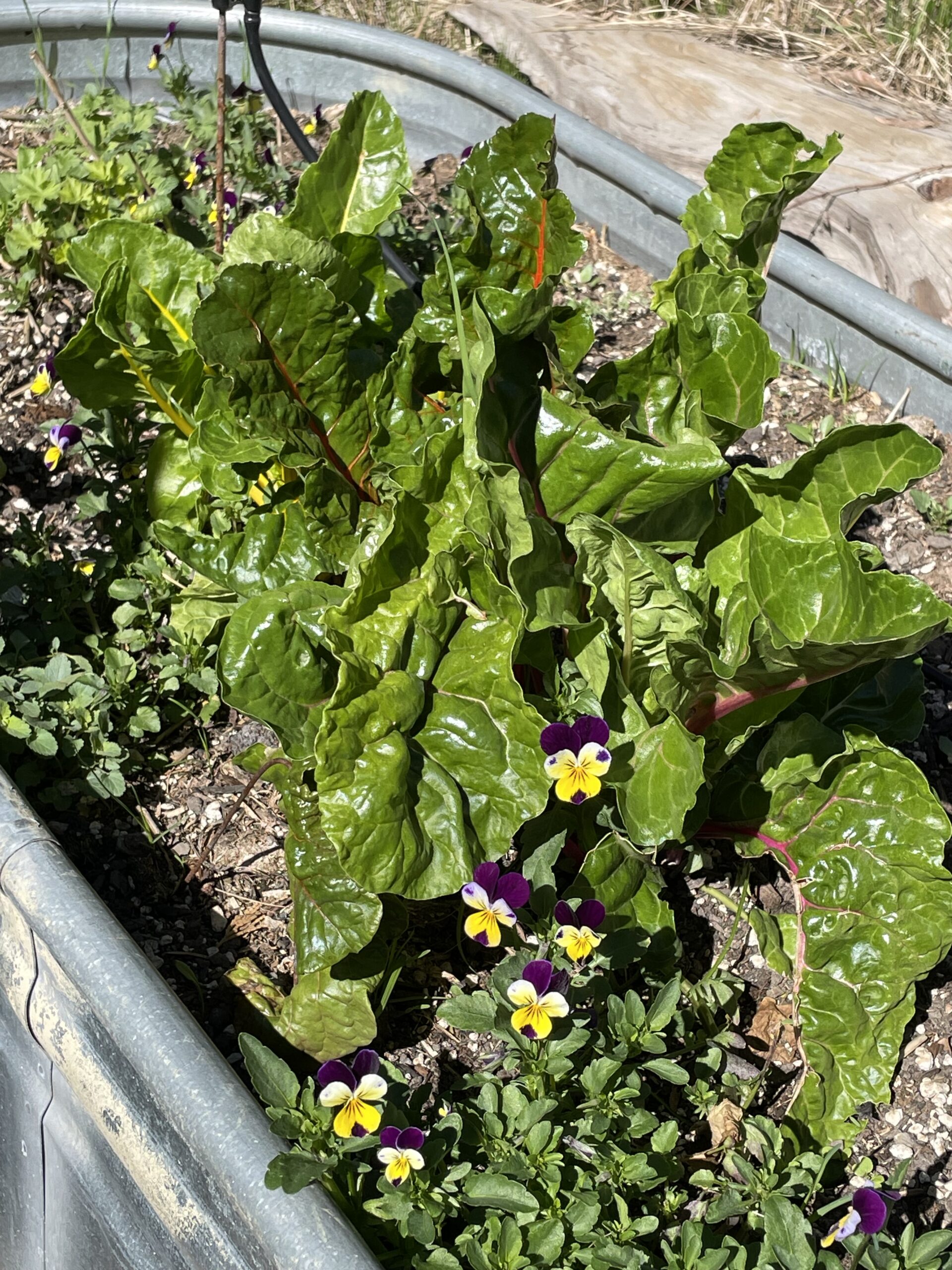
My tomato seeds began sprouting about 10 days ago (I planted them on February 24th). The peppers are just starting to break the soil. I planted peas in the garden and started more lettuce and spinach. I also started Baby Bok Choi, dill, fennel, kale, cauliflower, and broccoli. I am going to break the rules (planting by the Moon) and start some carrots, turnips, radishes and kohlrabi out in the garden (they donโ€™t transplant well. I will get my beet seeds in the ground a bit later. Root crops prefer to be planted during the waning Moon. My fist pear blossoms are opening too!

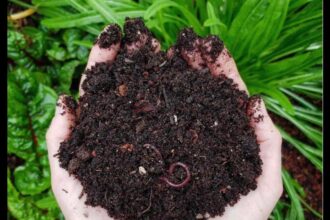
Right now, Michael and I are amending the growing beds. We mixed our compost pile (>1 yd), with 1 yard of mushroom compost and harvested potash and biochar from our burn pile and, mixed them all together with the Kubota. We now have about three yards of delicious top dressing for the beds. This makes me feel wealthy.

I am a Permaculture Designer and follow Permaculture principles in my world. The number one principle of Permaculture is OBSERVATION! This goes for all aspects of life, not just growing things. Itโ€™s necessary to observe Natures patterns on your land. I take my cues from Mother Nature and try to mimic her patterns. Thatโ€™s Permaculture.

When we were looking for land to begin our new (senior) life, I had several criteria in mind โ€“ Sun exposure, topography of the land, water, prevailing winds, fire safety, noise and who was already living on the land: birds, reptiles, insects amphibians, predators, and other mammals. Other considerations were if microclimates were on the land, especially in the garden, availability of resources: a woodlot, soil amendments, fodder for chickens (which we donโ€™t have) and more.

A significant component of observation is to spend a bit of time (months to a year) recording how all aspects of the land perform: how does the wind flow, what is the pattern of water runoff, who comes into the homestead to visit (bears, deer, fox, bobcat, fisher, mountain lionโ€ฆ)

We ended up buying a two-and-a-half-acre lot with a southern aspect, a topography that is gently sloping toward the south, an open area and a mixed forest of conifers, deciduous trees and shrubs.

Forest Service land borders our land on the south boundary and we have no immediate neighbors. We cut only one big tree for the house site. Our house is oriented to the compass: north, south, east and west. We have the advantage of passive solar heating and deep eaves to shade the windows in mid-summer.

Our water comes from a well that is fed by glacier melt water. We have added, after nine years, a 1,500-gallon holding tank at the top of the property (near the well head) that we keep full and then use gravity feed to supply water to the house and garden. With the installation of a pressure pump, we have enough pressure to supply a large sprinkler on the roof in case of fire.

At this point we feel we have everything well set up for our more senior years. The big thing, in terms of Permaculture, I feel is Earthworks. One of purposes of Earthworks is the management of water on the land. I want to carve swales, on contour, to manage the flow of water on the land. The acronym SSS (slow it, spread it, sink it) is the goal. This helps to conserve water. Keeping it on the land and recharge ground water and help mitigate erosion.

We will cover more Permaculture principles in subsequent columns, including companion planting, the importance of ground covers in cutting CO2 emissions from the soil, and more and the benefits of biochar. I also want to share how weโ€™re using in-bed worm bins.

In the meantime, remember, sitting near a creek, river or lake can help you feel lighter and make the world look brighter. And we sure could use some lightening in this heavy time!


One Comment

Leave a Reply

Your email address will not be published. Required fields are marked *