
American Whitewater today warned that the U.S. Bureau of Reclamation’s (BOR) planned high‑volume water release from its Keno Dam on February 20, 2026 poses a serious public safety risk to people on and along the Klamath River in Oregon and California.
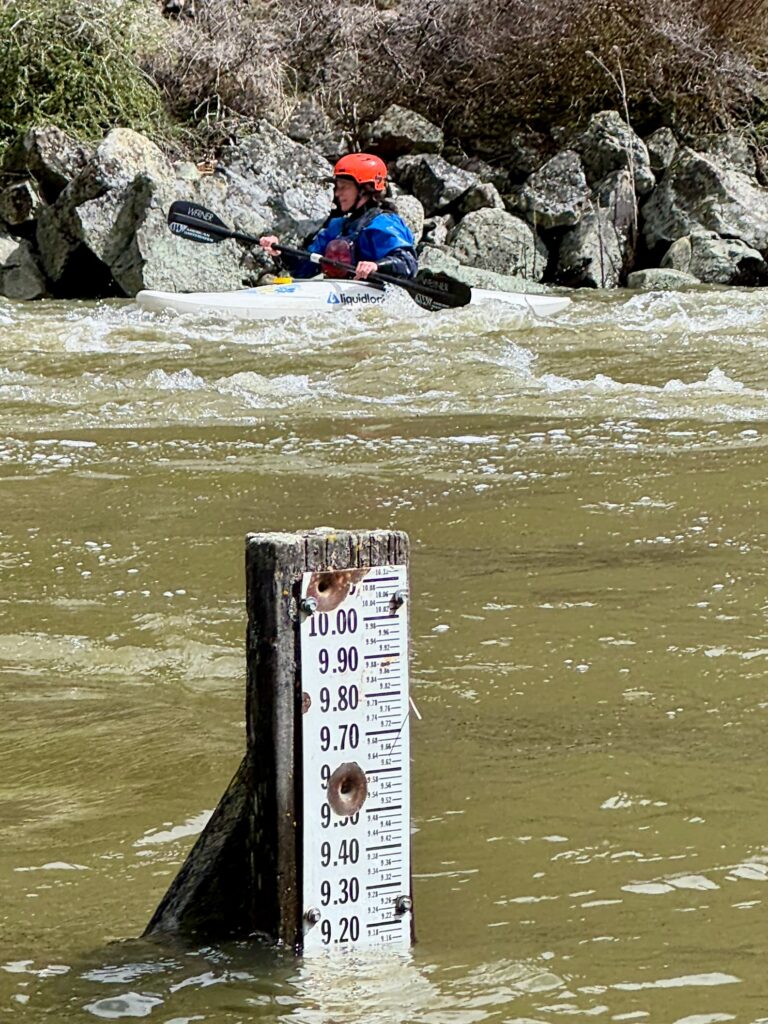
BOR has announced that it will conduct a sediment flushing release beginning early the morning of February 20 that will rapidly increase river flows by approximately 4,000 cubic feet per second. The sudden release is expected to raise river levels by roughly four feet in little more than one hour immediately downstream of the dam, with even greater increases anticipated later in the day in confined downstream reaches in both Oregon and California.
“Rapid, unannounced surges of this magnitude can strand anglers, overwhelm boaters, and wash people off riverbanks with little or no warning,” said Thomas O’Keefe, Director of Policy and Science at American Whitewater. “We fully support flushing flows that are beneficial to the river’s ecology, but the way BOR conducts them creates dangerous conditions that river users cannot anticipate or safely escape.”
The affected river corridor extends from Keno Dam to Seiad Valley, California — about 100 miles downstream — and includes the popular Big Bend, Hells Corner, Beswick, K’íka·c’é·ki Valley, K’íka·c’é·ki Canyon, and Iron Gate whitewater boating runs. A winter storm forecast for the region could further elevate flows and compound hazards.
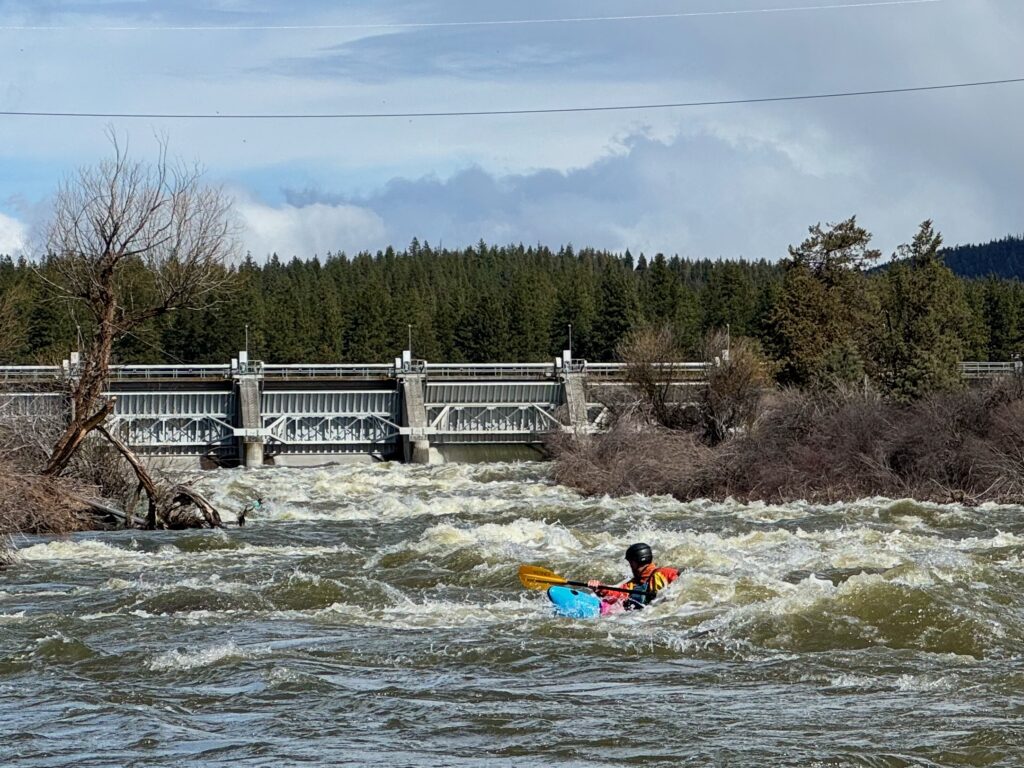
American Whitewater emphasized that standard safety practices at many dams limit how quickly flows are increased so river users can perceive rising water and react. BOR has acknowledged public safety concerns but has not incorporated gradual ramp-up procedures for Keno Dam operations — procedures it uses at its nearby Trinity River Division Project, also within the Klamath River watershed.
Recent experience underscores the danger. In early 2025, abrupt releases from Keno Dam caused river stage increases of multiple feet in minutes and up to ten feet per hour in some downstream canyon reaches, conditions that could be life‑threatening for anyone on the river. With the removal of downstream dams, these surges now travel through newly restored river sections that are increasingly popular for boating, fishing, and other recreation.
American Whitewater has urged BOR to modify operations to include safer ramping rates, advance notice to the public, and improved communication tools so river users can plan and respond appropriately. Practical measures include limiting the rate of flow increases, implementing stepped releases with hold periods, publishing short‑term forecasts of operations, and providing timely alerts.
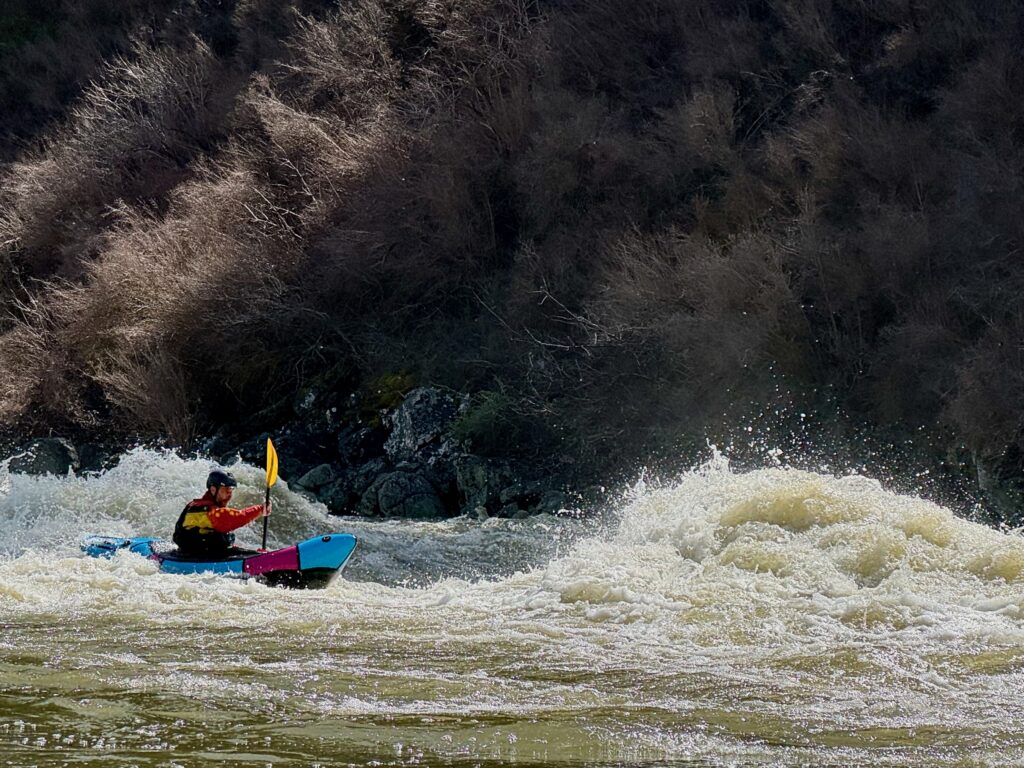
Anyone near the Klamath River on February 20 and during the subsequent ramp‑down period should remain alert for rapidly rising water levels that may occur without warning. River users are strongly encouraged to monitor conditions closely and exercise extreme caution.
About American Whitewater: American Whitewater is a national nonprofit organization founded in 1954 to protect and restore America’s whitewater rivers and to enhance opportunities to enjoy them safely. The organization represents thousands of members and river enthusiasts nationwide and has been deeply involved in the restoration and stewardship of the Klamath River. To learn more, visit americanwhitewater.org.
American Whitewater
Forks of Salmon, CA