REDDING, CA – On February 4th at 6:00pm representatives from the Pit River Tribe and Mount Shasta Bioregional Ecology Center will give a robust presentation on the newly designated Sáttítla Highlands National Monument just two hours from Redding that surrounds Medicine Lake. The presentation will be in the Biological Science building in Room 1632; the presentation is organized by the Shasta Group of the Sierra Club Mother Lode Chapter and the Mount Shasta Bioregional Ecology Center.
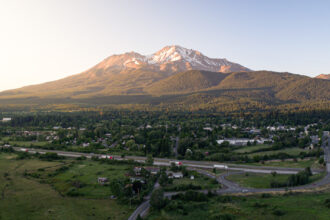
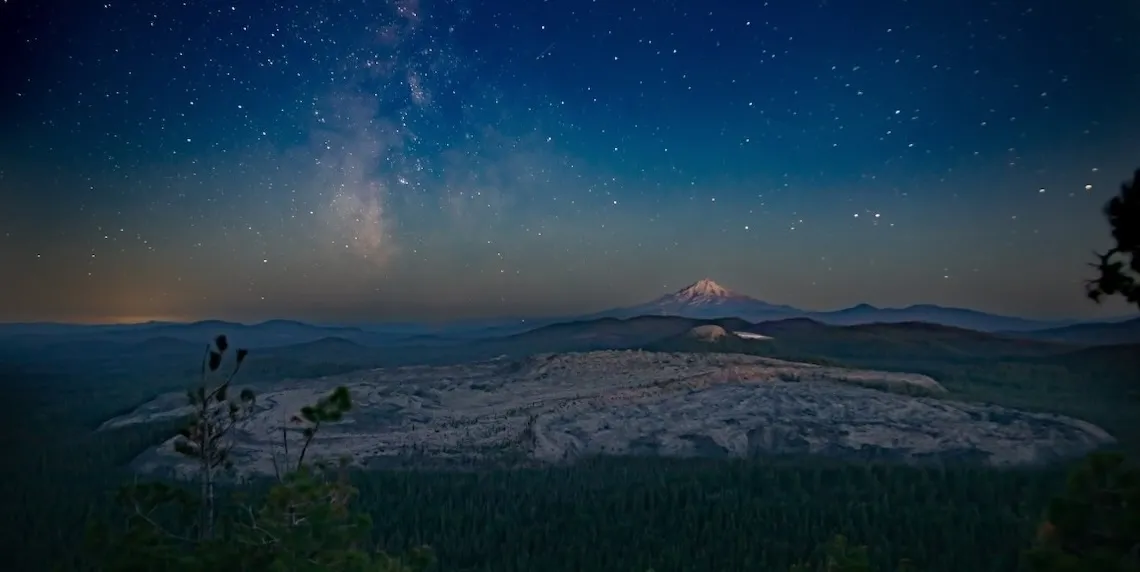
The newly designated national monument encompasses 224,676 acres of varied habitat within the Klamath, Modoc, and Shasta-Trinity National Forest. The designation provides protections to countless tribal cultural resources that are reflective of the long-standing history of the region.
“We are grateful to our partners co-organizing this free presentation for the community. The topics covered will inform the audience on our long-standing, nearly 30 year effort alongside the Pit River Nation to stop industrial geothermal development, and the ecological reasons why this area needs to be protected. We’ll cover the more recent activities, and what I believe most people want to understand is what’s next. The panelists will speak about developing the management plan and how people can interact,” said Bianca Garza, Executive Director with the Mount Shasta Bioregional Ecology Center.
The groups report the area provides a significant amount of water to millions of households and agricultural lands downstream; more water is stored in Sáttítla’s groundwater aquifers than the combined total of California’s 200 largest surface water reservoirs.
Speakers include, Brandy McDaniels, Sáttítla Highlands National Monument Lead from the Pit River Nation; Michelle Berditschevsky Director of the Sáttítla/Medicine Lake Highlands and Aquifer Protection Project and Founder, Mount Shasta Bioregional Ecology Center; Nick Joslin Policy and Advocacy Director, Mount Shasta Bioregional Ecology Center who is also a geologist.