On November 12, 2025, President Trump signed a government funding bill ending the longest U.S. shutdown in history, but it included a stealth provision that could devastate the hemp sector. Tucked into the legislation, this amendment redefines legal hemp, banning most intoxicating products and closing a loophole from the 2018 Farm Bill that fueled a $28 billion market.
The provision outlaws synthetic cannabinoids and caps total THC at 0.4 milligrams per packageโa level so low it effectively prohibits popular items like delta-8 THC gummies, THCA vapes, edibles, beverages, and even many full-spectrum CBD products with trace THC. Non-intoxicating uses, such as industrial hemp fiber or THC-free CBD isolates, remain viable, but the broader industry faces an “extinction-level event.” Enforcement begins after a 365-day grace period, delaying full impact until November 2026.
This targets “intoxicating” variants, including over 40 compounds like CBN, CBG, and HHC, which have proliferated in unregulated markets. Proponents, including Sen. Mitch McConnell (R-KY) and 39 state attorneys general, argue it protects consumersโespecially childrenโfrom untested products causing poisonings. Critics, however, see it as overreach driven by Big Alcohol and regulated cannabis lobbies viewing hemp as competition.
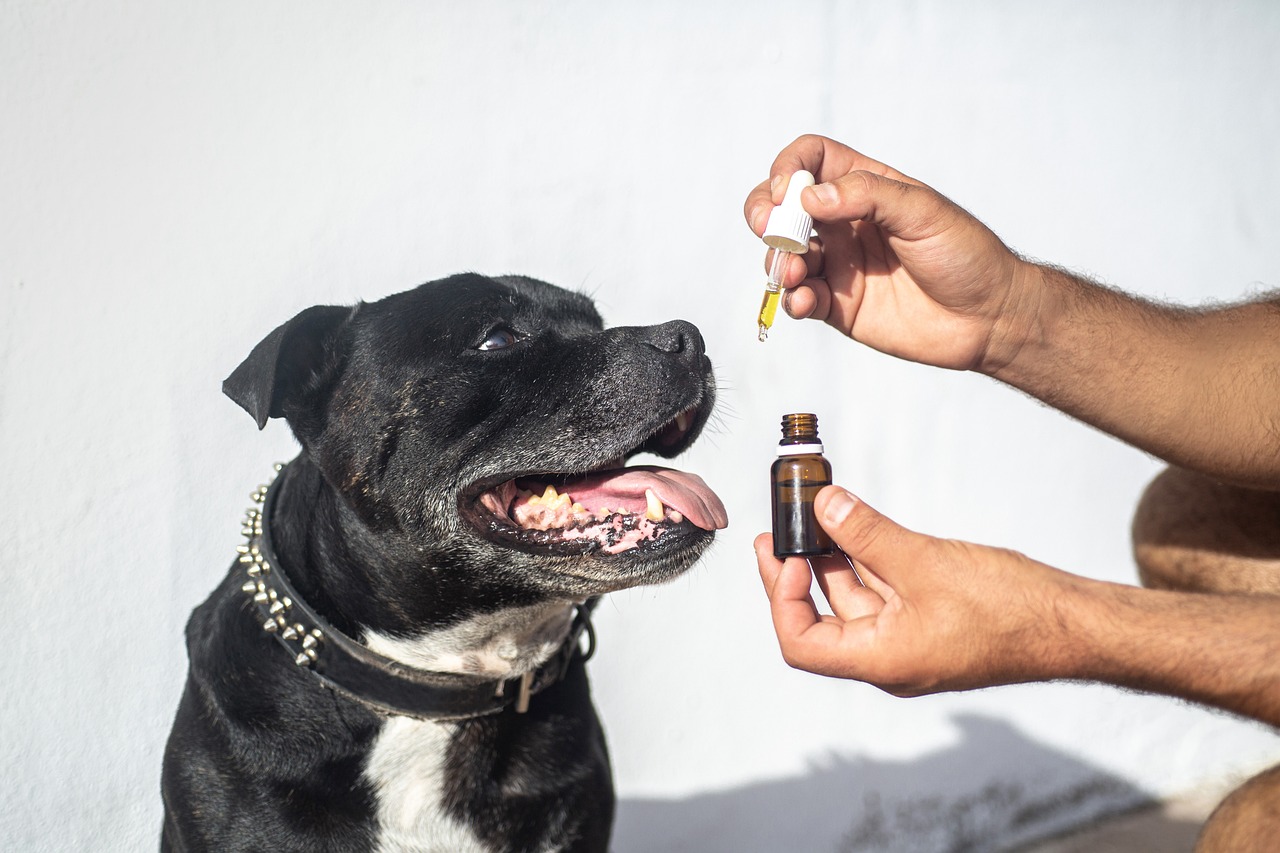
The U.S. Hemp Roundtable estimates 95% of products could vanish, erasing 300,000 jobs and disrupting supply chains from farms to retailers. States like Kentucky, Wisconsin, and Minnesota, where hemp supports local economies (e.g., THC-infused craft beers), stand to lose billions. Companies like BATCH warn of catastrophe for small businesses, while larger firms pivot or lobby for revisions. Consumers relying on CBD for pain, anxiety, or sleepโmillions strongโmay turn to pricier pharmaceuticals or black markets.
Outrage erupted online and in industry circles. Sen. Rand Paul (R-KY) decried it as a “poison pill,” failing to strip the language in a 76-24 vote. Rep. Thomas Massie (R-KY) highlighted Kentucky farmers’ devastation. On X, users lambasted McConnell for accepting $900,000 in lobbying funds, calling it a gift to cartels and a betrayal of rural America. Advocacy groups urge contacting lawmakers during the grace period to advocate for regulations like age limits and testing instead of bans.
While the ban reignites prohibition echoes, its complexity leaves room for legal challengesโe.g., distinguishing semi-synthetic from natural compounds. Future Farm Bill talks could amend it, but without action, a thriving sector built on post-2018 legalization may collapse by late 2026. For now, stakeholders rally: “We need regulation, not extinction.”
- CALFIRE SISKIYOU UNIT HAND CREW SELECTED FOR BLUE RIBBON AWARD
- 10th DAA selects Kenny Elwood for 2026 Golden Pass
- FICTITIOUS BUSINESS NAME STATEMENT: Carson’s Window Coverings & More
- Traffic Stop in Siskiyou County Leads to $1.9 Million Cocaine Seizure, Driver Arrested
- F-35A Lightning II Jets from Luke AFB Arrive for Two-Week Training at Kingsley Field