Home / Siskiyou News / Siskiyou County Residents: What’s Happening with CARE Court in Our Backyard?

Siskiyou County Residents: What’s Happening with CARE Court in Our Backyard?

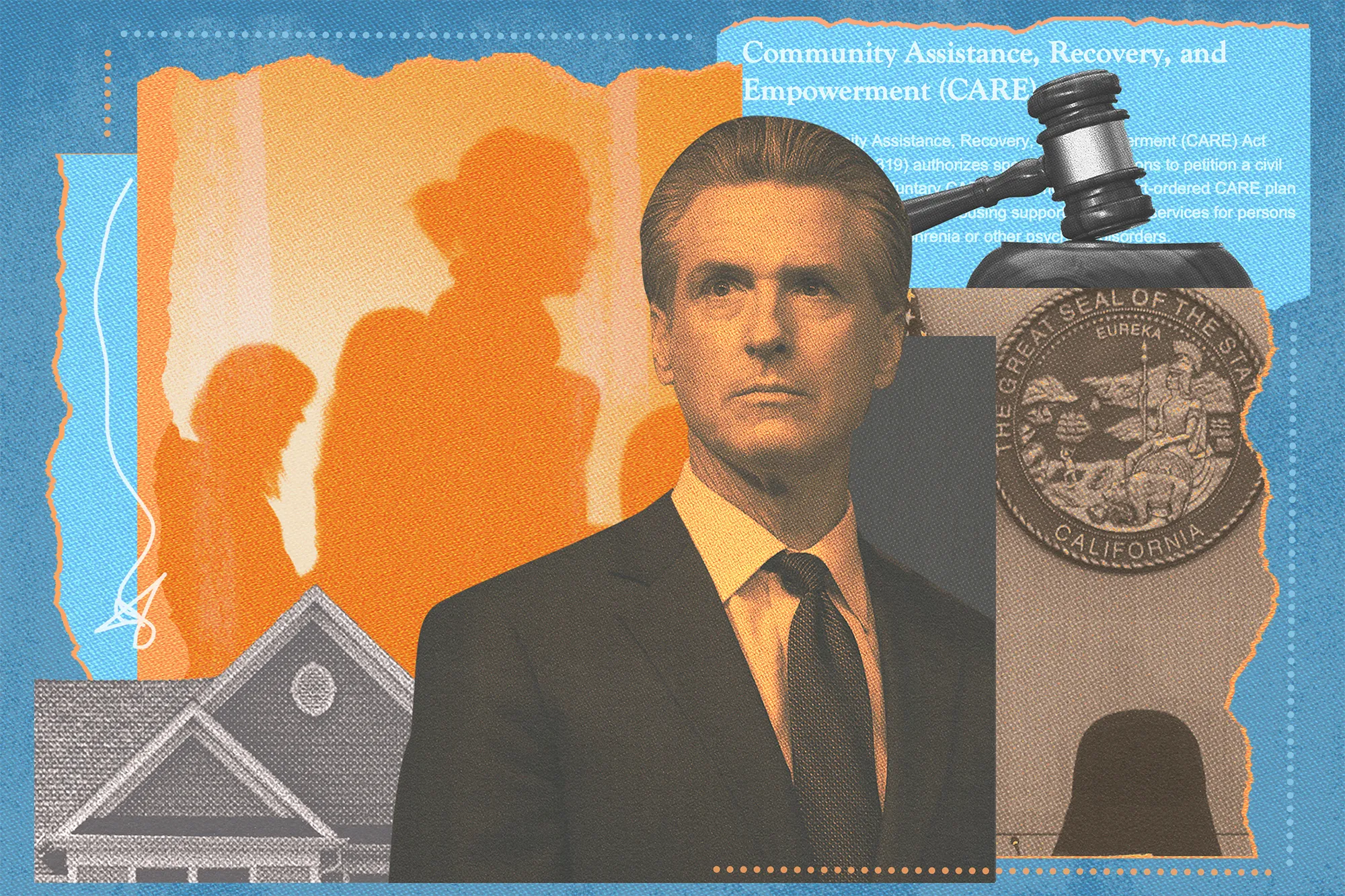
SISKIYOU COUNTY, Calif. โ€” Hey, Siskiyou folks, from the streets of Yreka to the remote reaches of Happy Camp and Mt. Shasta, we all know the harsh realities of mental health struggles in our rural corner of California. We’ve seen neighbors cycling through crisesโ€”homelessness, jail time, or just plain isolationโ€”with limited help available. That’s why Governor Gavin Newsom’s Community Assistance, Recovery, and Empowerment (CARE) Court program, launched in 2023, caught our attention. It promised to connect adults with severe mental illnesses like schizophrenia spectrum disorders to treatment, counseling, medication, and housing through court petitions filed by family, first responders, or clinicians. But nearly two years in, statewide numbers are falling short of expectations, and right here in Siskiyou, along with Shasta and Tehama counties, we’re in the dark because our county has suppressed its data. If CARE Court is helping our neighbors, we should know about it. If it’s not, we deserve answers on why.

This deep dive draws from a comprehensive investigation by CalMatters, a nonprofit, nonpartisan newsroom focused on California issues. Their reportersโ€”Marisa Kendall, Jocelyn Wiener, and Erica Yeeโ€”requested data from all 58 counties, conducted over 30 interviews, and compiled key insights into how CARE Court is performing statewide. Published on September 3, 2025, their report reveals the program’s slow rollout and challenges, providing the backbone for understanding what this means for us locally.

(This story incorporates points from CalMatters’ original reporting; sign up for their newsletters at calmatters.org/subscribe-to-calmatters/.)

The Big Picture: Promises vs. Reality

When Newsom proposed CARE Court in March 2022, he aimed high, estimating it could serve 7,000 to 12,000 Californiansโ€” a massive jump from the 218 people helped by the previous Lauraโ€™s Law in 2018-19. Instead, through July 2025, only 2,421 petitions have been filed statewide, according to the Judicial Council of California, with just 528 resulting in voluntary treatment agreements or court-ordered plans. That’s fewer than 550 people getting services, despite the state spending $88.3 million in the 2022-23 fiscal year and $71.3 million in 2023-24, as analyzed by the Legislative Analystโ€™s Office. Critics, including the Assembly Judiciary Committee, have called it a “very expensive” way to coordinate services, accusing the program of wasting money.

But numbers don’t tell the whole story, as Michelle Doty Cabrera, executive director of the California Behavioral Health Directors Association, pointed out to CalMatters. Many people starting the CARE Court process get diverted to other county servicesโ€”1,358 times as of December 2024, per a state reportโ€”spreading awareness of available help.

Why the Slow Start? Challenges We Know All Too Well

CalMatters’ investigation highlights why CARE Court isn’t ramping up as hoped, and these issues hit harder in rural spots like Siskiyou. The petition process is tougher than expected: It’s “laborious,” as described by Richard Cagle, Orange County’s Health Care Agency director. First responders, like police and firefighters, were thought to file many petitions for the unhoused folks they encounter, but they’re overworked and deterred by time-consuming court requirements and high dismissal rates. In San Diego, for example, early petitions from firefighters were often dismissed, making them reluctant to try again, according to Crystal Robbins, who manages a treatment referral program for San Diego Fire-Rescue.

Statewide, about 45% of petitions are dismissed (including rare graduations), often because people don’t meet the narrow eligibility criteria (limited to specific psychotic disorders, substantial deterioration, and inability to survive safely without supervision), can’t be located if homeless, or simply refuse services. In counties like San Francisco, the dismissal rate is nearly two-thirds. And while the program allows court-ordered treatment, most counties avoid itโ€”only 14 people statewide have been ordered into plans, emphasizing voluntary participation.

For us in Siskiyou, with our vast geography and limited mental health infrastructureโ€”one psychiatrist per 4,400 residentsโ€”these barriers are amplified. Spotty broadband hinders telehealth, long drives from Happy Camp to Yreka or coming from Tulelake make outreach tough, and stigma in small towns can deter engagement. Small counties like Colusa (population under 22,000) have seen just one petition, citing court vacancies and low prioritization. Eight counties, including some rural ones, report zero petitions.

How Other Counties Stack Upโ€”and What It Means for Us

CalMatters’ data compilation shows wide variation. San Diego, which hired extra staff expecting a flood, has 384 petitions and 134 voluntary agreements, plus 10 graduationsโ€”the most in the state. They credit smaller caseloads for allowing clinicians more time with clients, as noted by Amber Irvine, San Diegoโ€™s behavioral health program coordinator. Los Angeles leads with 511 petitions and 112 agreements/plans, though far below their initial 4,500 prediction. Alameda County has 125 petitions, praised for strong implementation.

In contrast, Orange County expected 1,400 petitions but has at least 176, with 14 agreements and one plan, overlapping with existing programs. And Siskiyou? We’re among the four counties that didn’t fully respond to CalMatters’ requests, suppressing our numbers while most provided data through July 2025. This lack of transparency raises questions: Are we facing logistical hurdles, low participation, or something else? Without data, it’s hard to tell if our Behavioral Health Division is leveraging opportunities like intensive support or struggling to engage folks in crisis.

Looking Ahead: Potential Changes and Local Impact

A new bill, Senate Bill 27 by Sen. Thomas Umberg, could expand eligibility to include psychotic symptoms from bipolar disorder, potentially increasing petitions by 3.5% to 48.1% in places like San Diegoโ€”but without extra funding for staff, it worries coordinators like Irvine. For Siskiyou, with our resource shortages, this could strain an already thin system.

Stories like Anita Fisher’s in San Diego, who advocated for CARE Court to help her son escape jail-homelessness cycles, resonate here. We’ve got our own neighbors in Yreka or Happy Camp needing that path. As CalMatters’ investigation underscores, CARE Court has successes in awareness and diversions, but its low reach prompts tough questions about efficiency.

At Siskiyou News, we’re watching closely. If you’re affected or have insights, reach out. For the full CalMatters report and more data, visit calmatters.org/health/mental-health/2025/09/care-court-2025-data/. Let’s keep pushing for transparencyโ€”our community deserves real progress on mental health.


Tagged:

Leave a Reply

Your email address will not be published. Required fields are marked *