

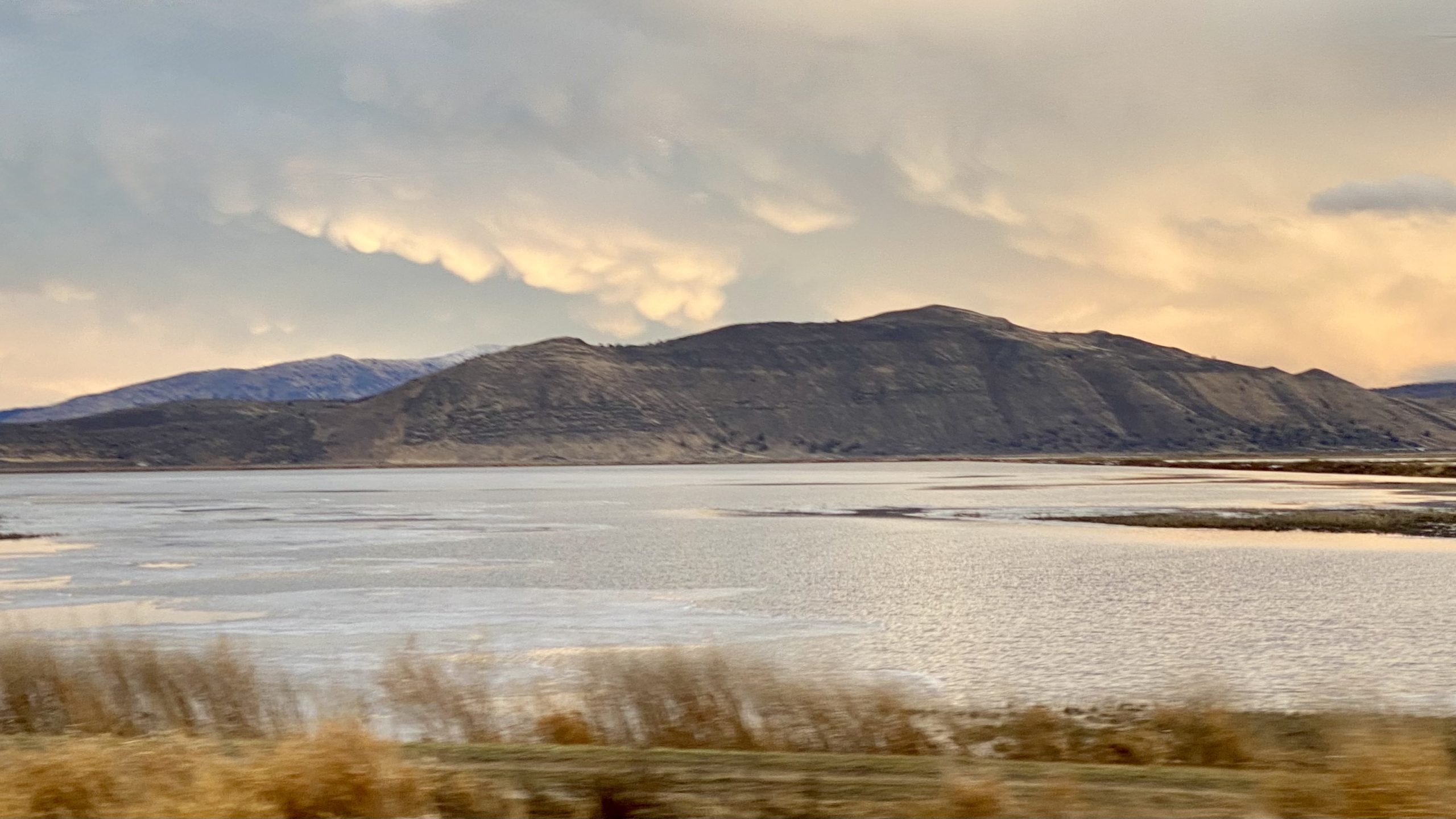
KLAMATH BASIN — The Bureau of Reclamation has announced an anticipated full water allocation for the Klamath Project this year, marking the first time since 2019 that irrigators in the region will receive their complete water needs. The announcement, celebrated by officials from Klamath County, Oregon, and Siskiyou and Modoc Counties in California, comes after years of water shortages and allocation conflicts in the region.
“This full allocation is a huge boost for our agricultural communities and wildlife,” said Michael Kobseff, Siskiyou County Supervisor. “We appreciate the Bureau of Reclamation for recognizing the importance of water to our irrigators and the Klamath Project. This decision restores hope and reinforces that agriculture matters.”
The tri-county region has experienced significant water challenges in recent years, with competing demands from agricultural users, wildlife refuges, and endangered species requirements often leading to contentious allocation decisions. The early announcement of a full allocation provides farmers and ranchers with critical planning time for the upcoming growing season.
Current Water Conditions
The allocation decision comes during what officials describe as “a time of abundance” for the Klamath Basin. Current data shows precipitation at approximately 135% of normal levels, with snowpack measuring 154% of normal as of early March. These favorable conditions have contributed to Upper Klamath Lake’s net inflow forecast for April–September reaching 722,000 acre-feet, which is 203% of median.
Just one week before the full allocation announcement, preliminary Bureau of Reclamation projections had indicated a potential shortfall. Those earlier estimates suggested approximately 320,000 acre-feet would be available against contractual obligations estimated between 315,000 and 335,000 acre-feet. The updated allocation appears to address this potential gap.

Impact on Wildlife Refuges
The increased water availability has already benefited the region’s wildlife refuges:
- Upper Klamath National Wildlife Refuge is fully flooded following the completion of dike breaches in January.
- Tule Lake National Wildlife Refuge has received significant water from the Lost River system throughout the winter.
- Lower Klamath National Wildlife Refuge has had over 43% of its wildlife habitat flooded, with more water being delivered.
Wildlife managers have been actively moving water between refuges to maximize ecological benefits, and are preparing to capture additional water from anticipated flood control operations on Upper Klamath Lake.
Regional Economic Significance
For the Klamath Basin’s agricultural economy, which has struggled through recent drought years, the full allocation represents more than just water delivery. While regional officials describe it as providing “security, stability, and the capacity for our communities to thrive,” many acknowledge that this positive step may be too little, too late for some agricultural operations.
Years of water shortages have inflicted significant damage on Siskiyou’s great agricultural basin that won’t be repaired overnight. The Klamath Project, established in 1905, provides irrigation water to approximately 230,000 acres of farmland in southern Oregon and northern California. Persistent water shortages have forced many farmers to idle land, reduce crop production, or in some cases, abandon agricultural operations entirely, creating widespread economic hardship throughout the region.
This full allocation, while welcome, represents only a first step in what will need to be a sustained recovery effort for the region’s agricultural economy. Nevertheless, it marks a positive direction forward for the once-thriving agricultural communities of the basin.
The Bureau of Reclamation’s water management policy for 2025-2029, developed under the previous administration, has been described as complex and sometimes difficult to interpret. Today’s announcement appears to indicate a pragmatic application of these policies during a high-water year.
- Writing Classes and Contests – John Sammon
- Loose Screws: Mount Shasta Leadership Shakeup Leaves Questions Unanswered
- Protecting Your Health During A Wildfire : What Northern California Residents Should Know
- State Water Board To Consider LOW-INTEREST LOAN For Quartz Valley Tribe Land Acquisition In Scott River Headwaters
- Obituary: Minnie “Bunny” Frederick