
The Scott and Shasta River watersheds have faced another year of curtailments under SWRCB mandates, causing significant financial harm to farmers and ranchers. These actions, taken by the Governor and the State Water Resources Control Board (SWRCB), continue to negatively impact agriculture without proper authority. The SWRCB has exploited the guise of an emergency drought declaration to infringe upon citizens’ rights.
The recent Supreme Court case, *Loper Bright Enterprises v. Raimundo*, though focused on federal agencies, set a precedent that non-elected agencies have limited authority in setting regulations and rulemaking. This precedent will likely be tested at the state level through numerous lawsuits against California’s overreaching agencies. The SWRCB’s recent loss in Kings County serves as a reminder that the board must operate within its legal boundaries.
Equally concerning is that the flow levels set by the SWRCB lack scientific backing. There has been no 3–5-year biological study under the North American Model of Wildlife Conservation, which is the prevailing model for wildlife conservation in the U.S. The study often cited by the SWRCB and the California Department of Fish and Wildlife for setting minimum flow regulations is incomplete regarding minimum flows. The 2013-2014 McBain & Trush study offers no minimum flow recommendations below Big Springs confluence on the Shasta River. Instead, flow rates are measured much farther downstream near Yreka, where no specific flow study has been conducted. Likewise, comprehensive studies for minimum flow recommendations on the Scott River have not been completed. The recommendations given to the board are not based on sound science and continue to harm the Siskiyou County community.
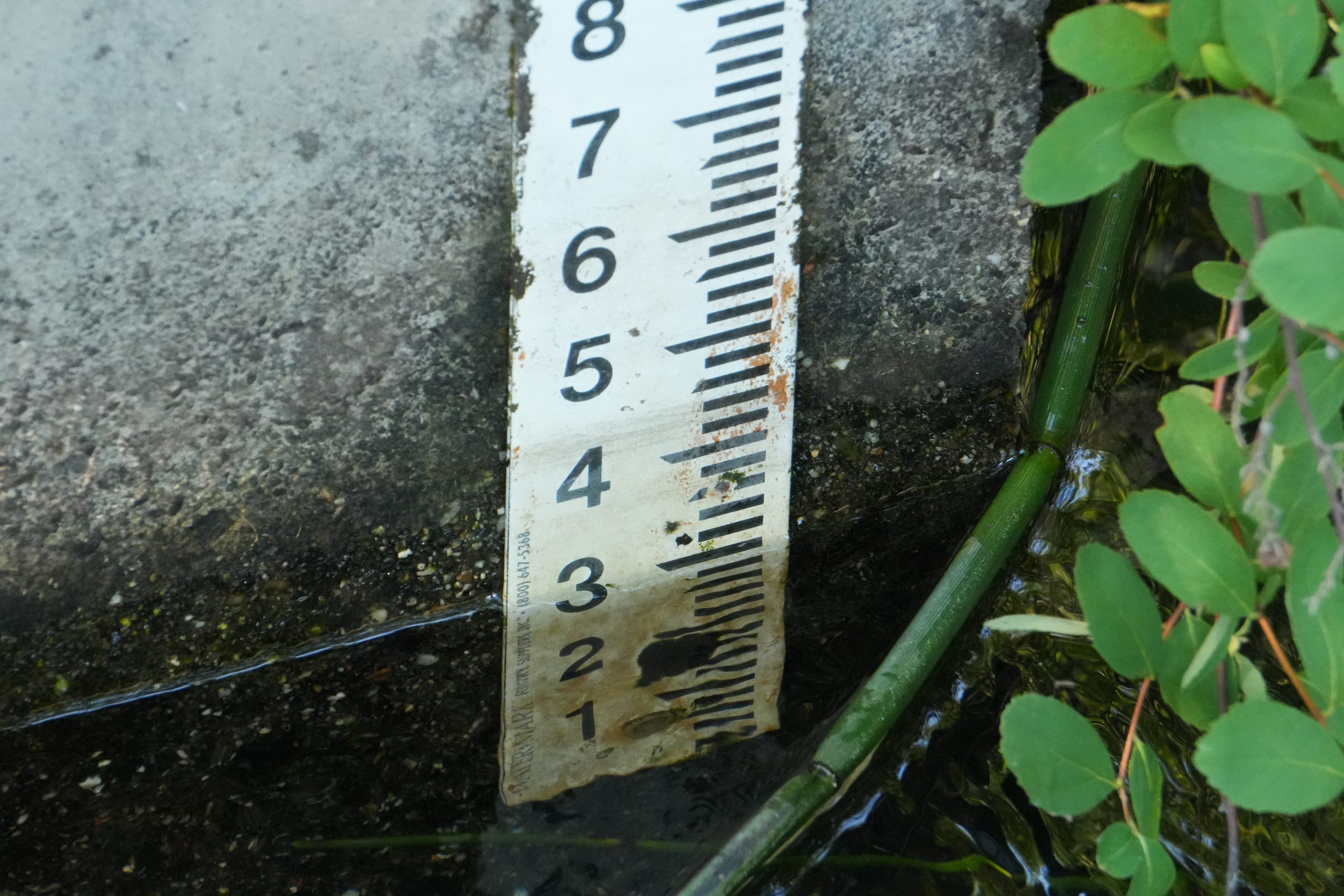
For example, the last reach studied for recommended minimum flows is Reach 3, from the Parks Creek confluence to the Big Springs confluence. The McBain & Trush study recommends minimum flows of 20 cubic feet per second (cfs) throughout much of the year. These flows should be more than adequate along the river to its mouth. However, the suggestions given to the board greatly exceed these recommendations and are based on measurements taken much farther downstream,
where no studies have been conducted. Healthy flows for the river should range from 20-25 cfs, with an increase from April to June to support salmonid migration. Similarly, the Scott River flows should likely be reduced to 10-15 cfs for most of the year, with a boost during the same period.
The SWRCB is relying on faulty data and inaccurate information to the detriment of Siskiyou County and its residents. Board members are fully aware that setting long-term minimum flows is beyond their authority, and they are abusing the emergency drought declaration as a means to bypass citizens’ water rights. I urge the SWRCB to rein in their biased staff, use scientifically accurate data, and exercise proper oversight to uphold the integrity of their positions.
Jess Harris
Siskiyou County Resident
- CALFIRE SISKIYOU UNIT HAND CREW SELECTED FOR BLUE RIBBON AWARD
- 10th DAA selects Kenny Elwood for 2026 Golden Pass
- FICTITIOUS BUSINESS NAME STATEMENT: Carson’s Window Coverings & More
- Traffic Stop in Siskiyou County Leads to $1.9 Million Cocaine Seizure, Driver Arrested
- F-35A Lightning II Jets from Luke AFB Arrive for Two-Week Training at Kingsley Field
Arrest Arrested arrest report bookings California chinook CHP CHSRA Copco Dam Removal Dunsmuir Dunsmuir Elementary Etna EtnaCa FERC Irongate Klamath National Forest klamath river Klamath River Dams KNF McCloud Montague Mount Shasta Mt Shasta Northern California obituary police blotter Rodeo Salmon Scott River Scott Valley SCSO Siskiyou Siskiyou County Siskiyou County Board of Supervisors Siskiyou News Unitedhealthcare USDA USDA KNF weedca Whaleback Pack wildfire wolves YPD Yreka