The Moon is full this week on the fifth, Wednesday. Itโs also a Super Moon, meaning itโs at its closest to the Earth. As we enter this passive phase of the Moon and several days of rain, itโs a good time to retreat a bit, rest and relax.
With the temperatures being rather temperate, for this time of year, it is a good time to do fall pruning of pome fruits, apples and pears. This is called โSummer Pruningโ by a guy I follow from UC Santa Cruz. Itโs any time before we enter winter and freezing temperatures, when the tip growth of these trees has stopped. Youโre looking for terminal bud stage where leaf growth has ceased for the season. If you prune before this stage you will encourage the growth of laterals and not shunt the energy to spur formation.

Fruiting โSpursโ are where blossoms form and fruiting happens. Pruning for fruit, or to encourage fruit spur formation, should be fairly conservative. I used to be more aggressive but after years of few if any fruiting spurs Iโve changed my approach.
In fall I do minimal structural pruning to thin summer growth and open up the center. You can remove crossing branches to the stronger of the two. I also remove laterals that grow downward and that grow towards the center. Iโm conservative at this juncture. Larger cuts for shaping the tree will come in early spring during a stretch of frost-free days.
To prune for fruit next growing season, after removing crowded laterals, cut your laterals eight to ten inches from the leading branch theyโre attached to. This will give the lateral more room for fruit spurs to form. You can refine these cuts in spring after you see what the buds are doing. Note: many pears โlateralsโ are more vertical. Treat them as laterals.
There are two kinds of buds, leaf buds and fruit spur buds. The rule of thumb is that the leaf buds are more pointed and buds that will become fruit spurs are rounder and have a more gnarly collar wear they emerge from the lateral.
Make your cuts within a quarter inch of the leader and on a diagonal so that they shed moisture and decrease your risk of disease.
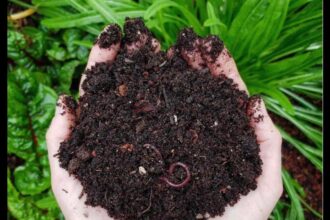
This is also time to prepare your garlic beds and get ready for planting. Garlic is a heavy feeder so amending your bed with compost is important. Being a bulb, garlic will like a phosphorus rich fertilizer, like your daffodils and tulips. Our native soil here in McCloud is primarily volcanic ash which contains a lot of minerals including potassium, phosphorus, magnesium, calcium, iron and others. Potassium supports root and stem growth, delivering nutrients to leaves and flowers. I amend this soil with lots of organic matter in the fall and cured compost from my pile in spring.
I plant my garlic before thanksgiving as a rule. Itโs important to time your planting as close to freezing temperatures as possible. If itโs planted too early garlic will sprout and this may damage or stunt its growth.
You can buy garlic heads for planting. Itโs best to buy organic garlic as it wonโt have any growth retardants. Break up the heads and plant cloves root end down about three inches deep. Cover your bed with a compost of leaves or straw. In spring youโll begin to see sprouts and will be harvesting in July, here in our colder climate. We harvested nearly 100 heads of garlic around my birthday in mid-July this year. So, folks, happy pruning and planting.
During these turbulent times I find the world of men looks more like a flea circus, on high, say 30,000 feet up. It helps put things into a more manageable perspective as does time spent near a creek or walking in the woods. It helps you feel lighter and makes the world look brighter.