
Rural Community Grapples with Water Crisis as Study Highlights Infrastructure Hurdles
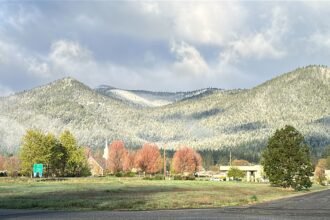
MONTAGUE, CA — Nearly 3,000 residents in Mount Shasta Vista are facing a deepening water crisis, compounded by geological barriers, regulatory hurdles, and limited emergency aid in rural Northern California.
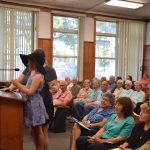
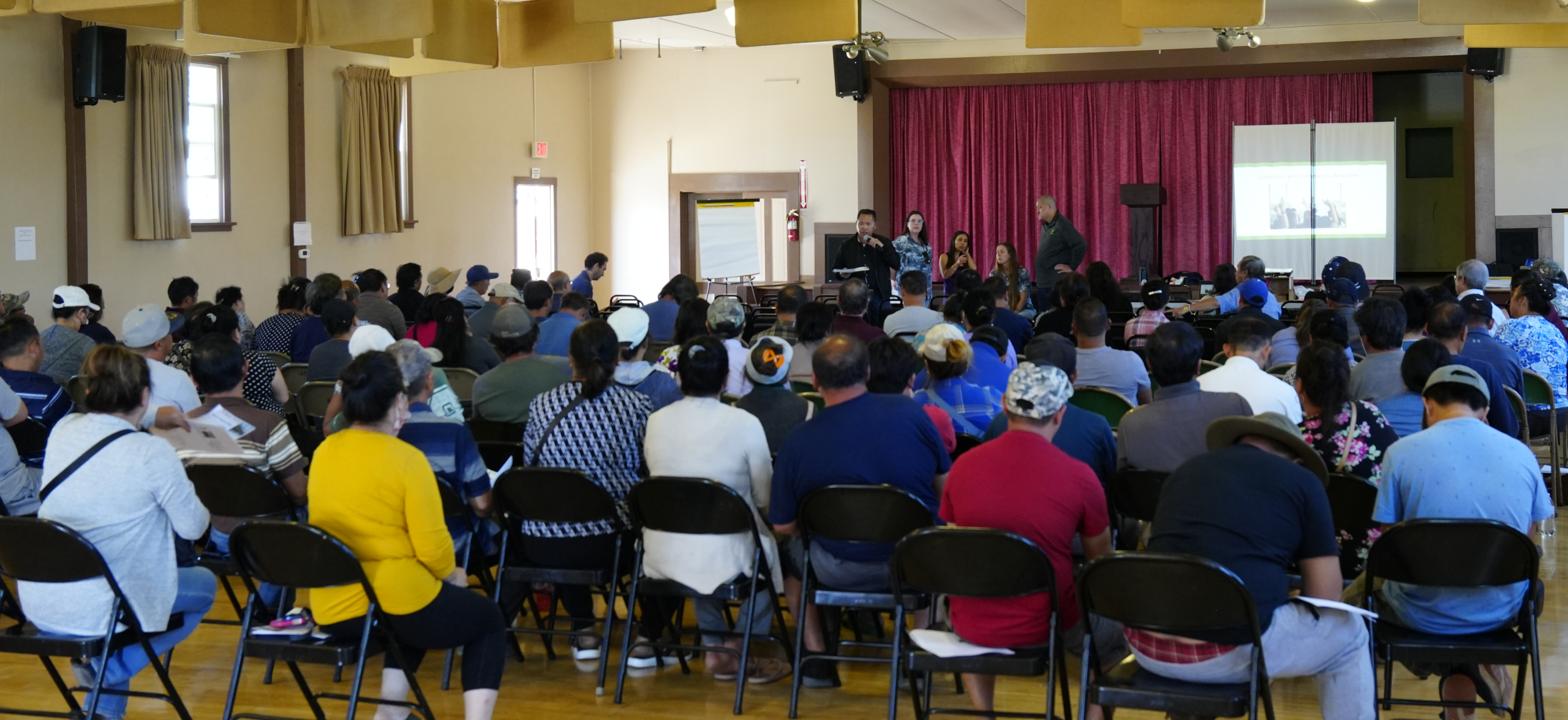
At a bilingual community meeting on August 15, the Rural Community Assistance Corporation (RCAC) unveiled a feasibility study funded by the state’s Safe and Affordable Funding for Equity and Resiliency (SAFER) program and the California State Water Resources Control Board. The report outlines six long-term solutions, from municipal wells to trucked water systems, for the subdivision and the broader Big Springs area, serving about 4,846 people—one of Siskiyou County’s largest rural water challenges.
Water Demand and Regulatory Standoff
Last year, RCAC gathered 201 petitions seeking 171,903 gallons for 659 residents—roughly 294 gallons per person daily. The Division of Water Rights has withheld certification, noting the requests exceed typical amounts in the Scott-Shasta watershed.
“The petitions… have not yet been certified because the number of gallons per person per day is higher than other petitions received,” said Shannon Townsend-Bettis, RCAC’s small utility project manager.
As a compromise, the division proposes 100 gallons per person—double the current 55-gallon limit but one-third of the requested amount. About three-quarters of attendees supported this during the meeting.
Approval would shield water truck deliveries from citations amid ongoing watershed curtailments and hauling bans. “After the Water Board approves the community’s petitions, the community’s access to hauled water will be protected,” explained RCAC’s Victor Coronado. “Water trucks cannot be cited for providing water” within limits.
Interim Aid Falls Short
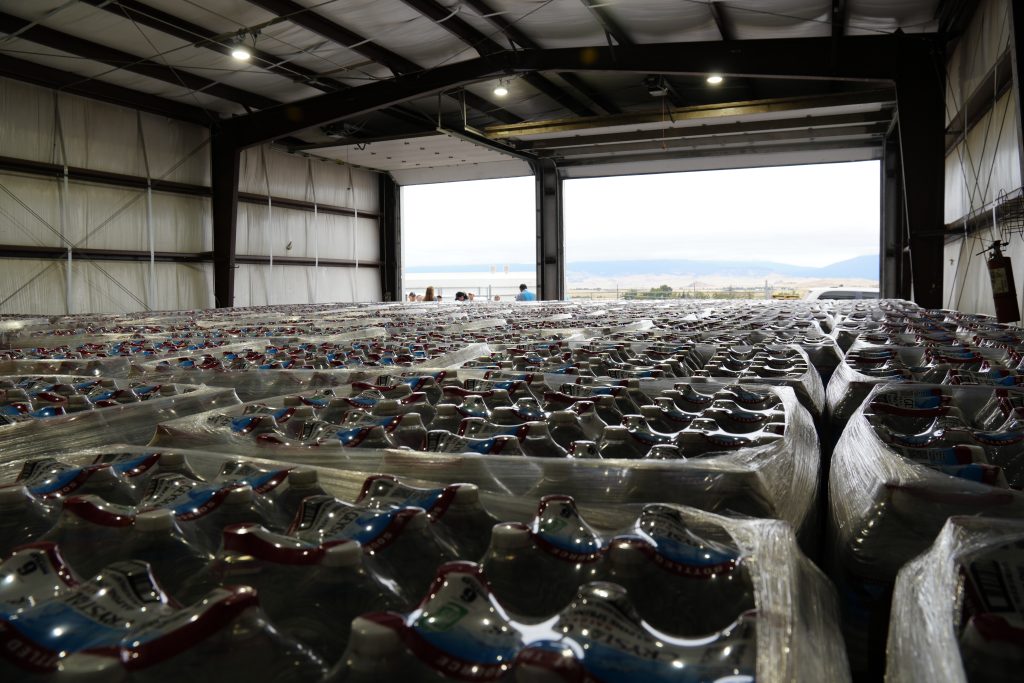
The state’s bottled water program, distributed in Yreka, has hit snags: supplies ran dry in July, stranding 20 vehicles, and traffic jams have prompted police involvement. The 60-gallon monthly household cap ignores family sizes, sparking equity concerns.
“Your judgment was rather one family with ten people or one people? 60 gallons. That is not average,” a resident said. “More people uses more water… So please increase your number higher if possible.”
RCAC pledged to seek higher allocations but noted no guarantees.
Geological and Technical Barriers
Coronado presented six alternatives, but warned of Mount Shasta Vista’s tough geology: “MSV, the geology is very difficult and costly to construct. This distribution system would be very hard and very expensive.”
Options include:
- Municipal wells with gravity-fed or pumped distribution, requiring permits and environmental reviews.
- Kiosk systems for card-based access to allocated water.
- Trucked water with storage tanks and networks.
Resident Frustrations and Fire Risks
Attendees criticized spending on bottled water ($5 per gallon) over permanent fixes. “If you keep throwing money at [$5 per] gallon, why can’t we drill well?” one asked. “We need something that provide waters for the whole community.”
Coronado called the study a first step in a “long process,” with no funding yet for implementation. A September or October follow-up will include engineering costs.
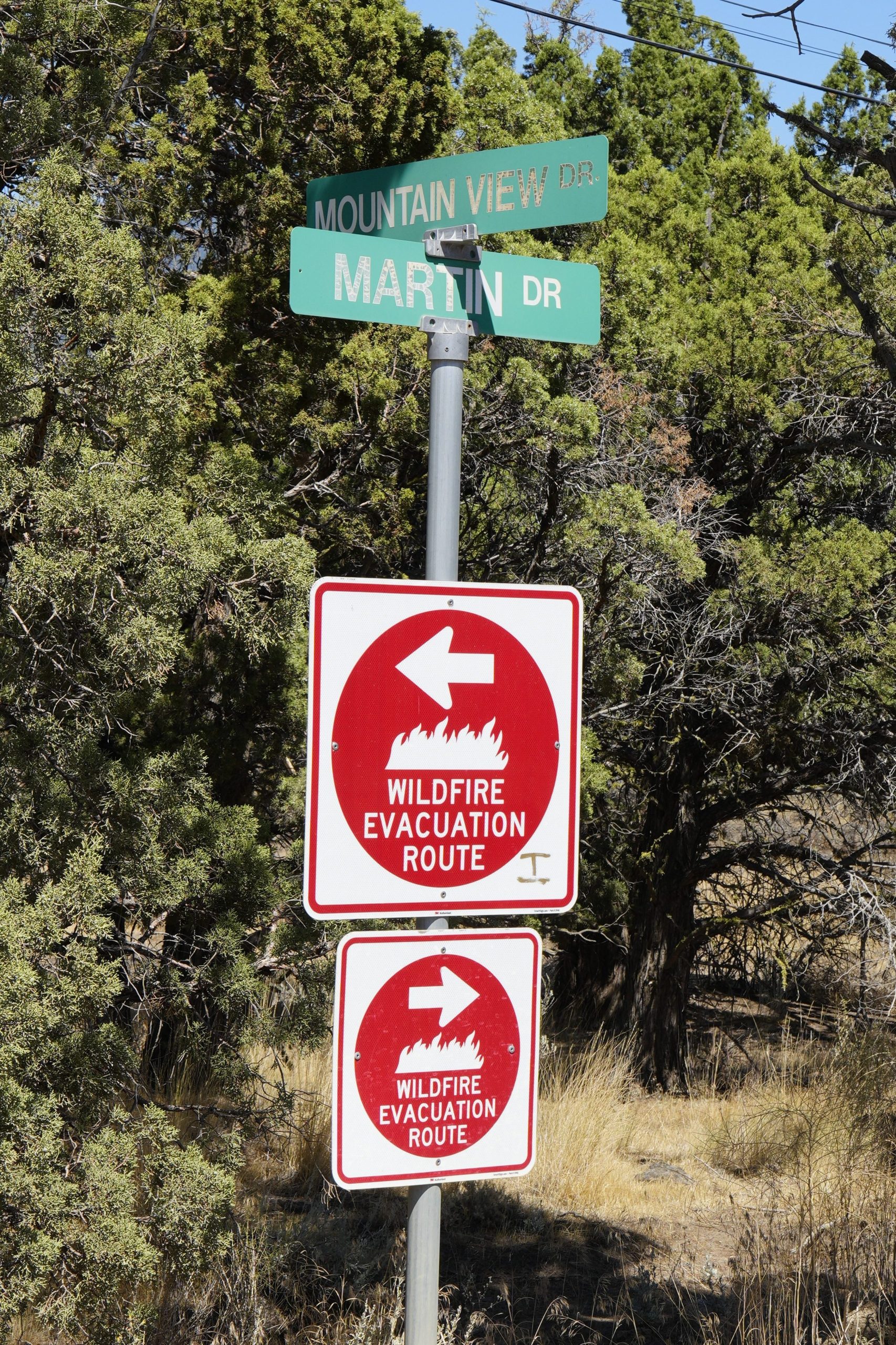
Fire safety was also discussed: Residents can store water for suppression during curtailments but must notify the State Water Resources Control Board (916-327-3113 or [email protected]).
Path Forward
RCAC will relay support for the 100-gallon compromise and push for more bottled water. The study pilots solutions for Mount Shasta Vista, with future funding uncertain.
For info, contact RCAC at [email protected]. The SAFER program addresses water inequities in California’s rural areas.
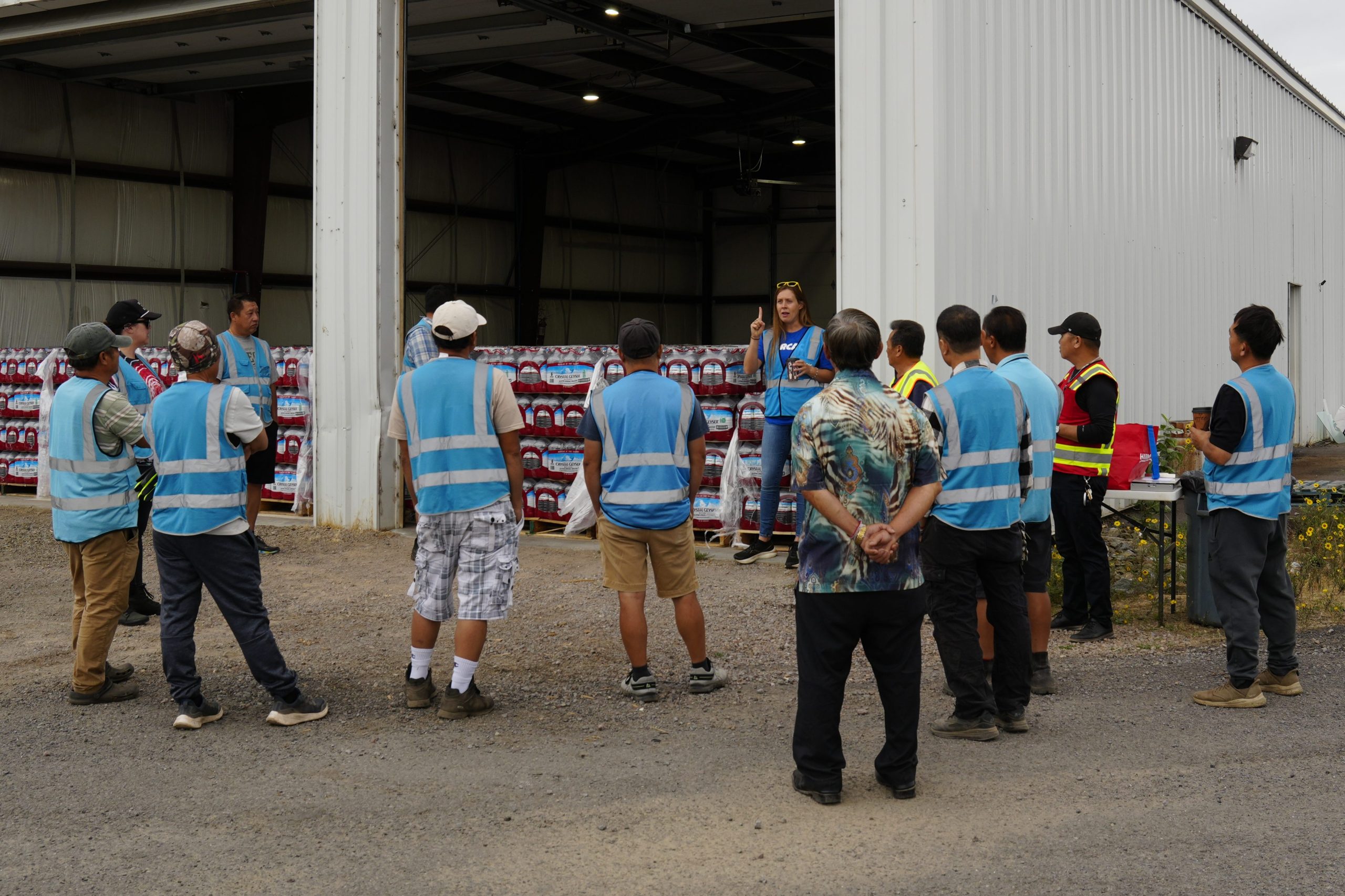
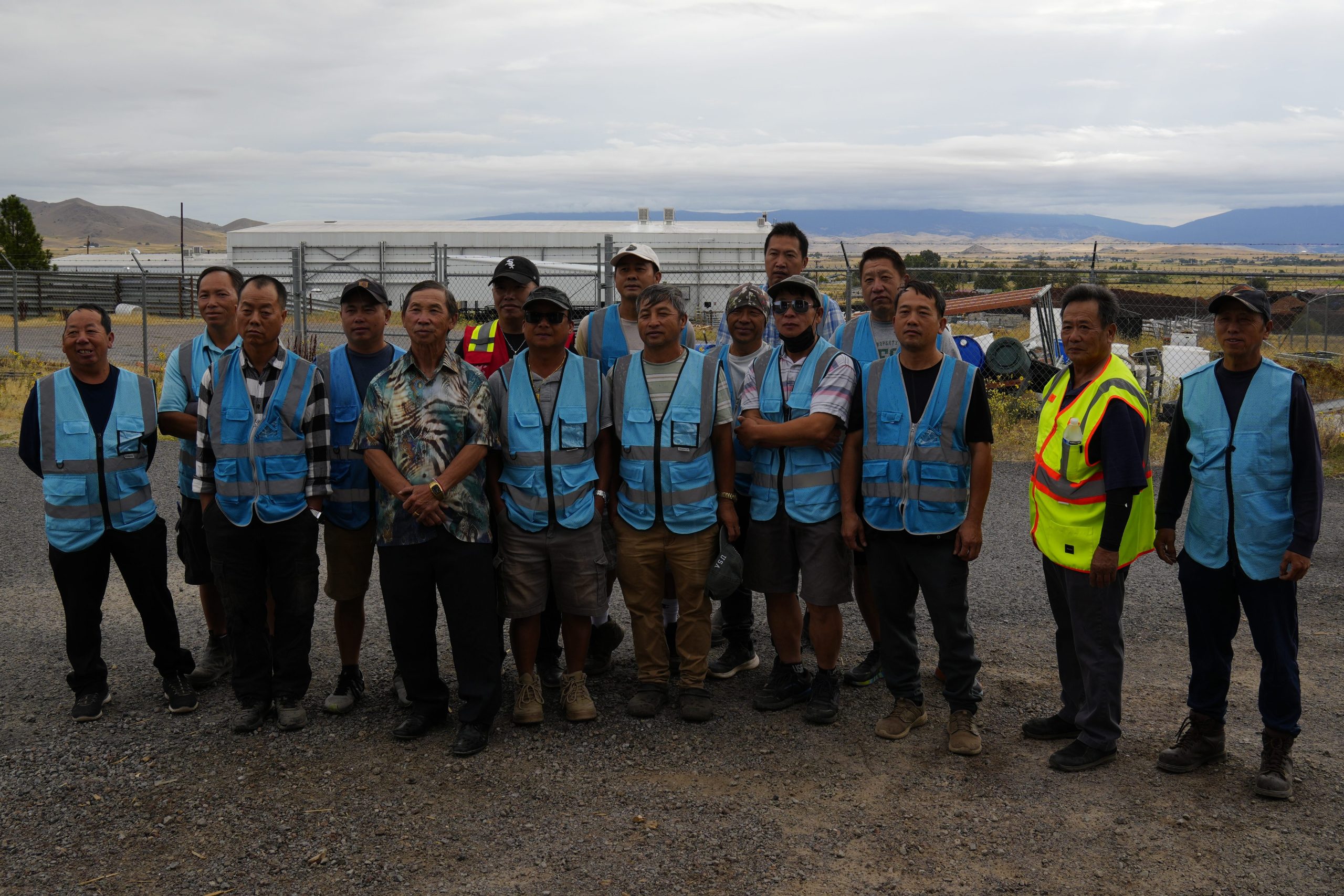
(Photos: Dept. Water Resources bottled water program in Yreka; Hazel Critchfield with HAAC crew. Credit: J.A. Martin)
This project is part of ongoing efforts to address water access challenges in underserved rural communities throughout California.
- CALFIRE SISKIYOU UNIT HAND CREW SELECTED FOR BLUE RIBBON AWARD
- 10th DAA selects Kenny Elwood for 2026 Golden Pass
- FICTITIOUS BUSINESS NAME STATEMENT: Carson’s Window Coverings & More
- Traffic Stop in Siskiyou County Leads to $1.9 Million Cocaine Seizure, Driver Arrested
- F-35A Lightning II Jets from Luke AFB Arrive for Two-Week Training at Kingsley Field