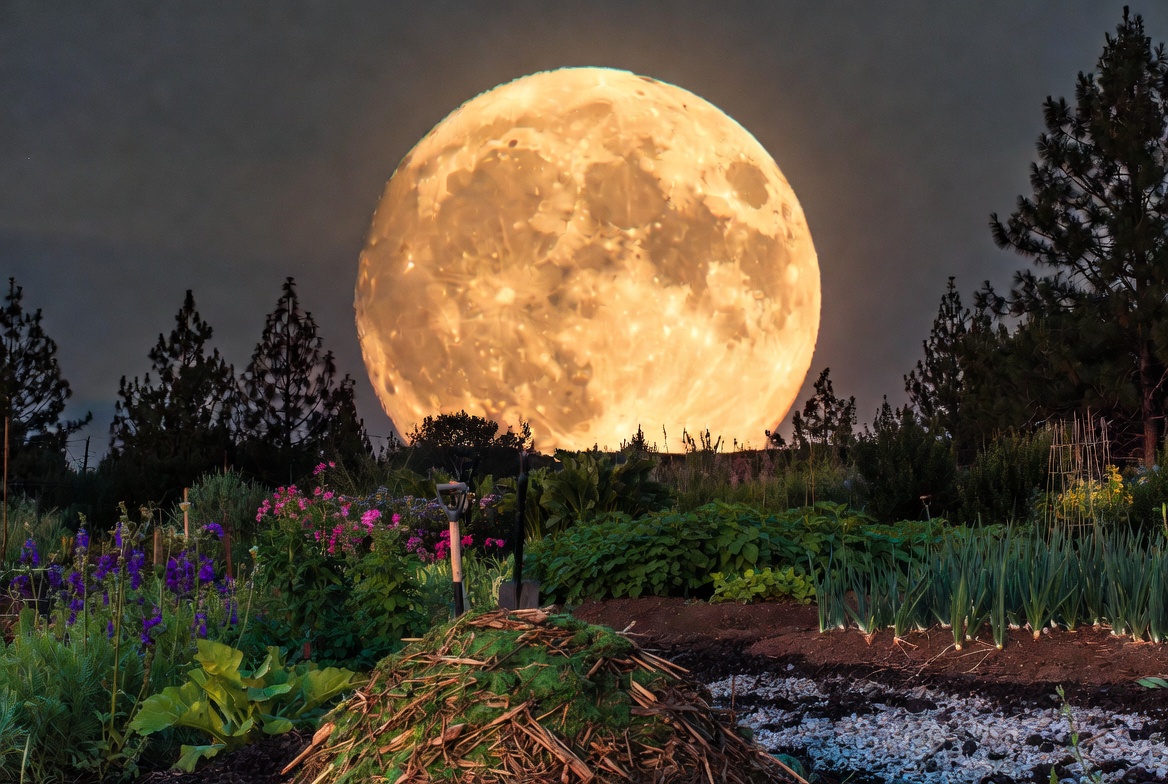
The Moon will be full on May 1st, this Friday. This full moon is called the Flower Moon. This will initiate another resting garden phase, a good time to mulch, prune, build trellising structures and make a garden plan for the season. Itโs also a good time to plant root crops. We are putting potatoes in this week.
Last time we talked about Biochar, how to make it and its benefits in the soil. I also talked about how to incorporate it into your compost pile.
A good compost pile should include fresh green waste from the garden and kitchen. Green waste in the pile is the Nitrogen factor. The carbon factor is dry brown waste such as leaves, straw or paper. In addition, biochar, manure, and wood ash. Wood ash provides the Potassium component. Green waste (potassium) content can be as low as 10% to power the pile if youโre short on green waste this early in the season.
Our soil, when tested told us it was low in Nitrogen and Potassium. We have plenty of Phosphorous from the volcanic ash. To address these low levels, I added my balanced compost.
In my onion bed I needed to make the soil more alkaline after a soil test showed it was a bit too acid for onions. I added bone meal and wood ash to help bring the pH up to more than 6.0 when tested. Other alkalinizing amendments are oyster shells, agricultural limestone, elemental sulfur. Organic amendments that raise pH are pine needles and forest duff.
Today I want to talk about Companion Planting. This is a principle thatโs has been practiced for centuries by indigenous peoples and the Amish. In Permaculture IPM (Integrated Pest Management) addresses this. It speaks to the combining of factors for the purpose of balance and health in the garden.
The purpose of Companion Planting is to mimic the biodiversity in the garden. Monocultures: fields of one crop, serve as a one dish Smorgasbord for pests and disease. The use of insecticides, even neem oil and diatomaceous earth kill most insects including the beneficial ones.
In Companion Planting, the mixing of food crops, aromatic herbs and flowers provide olfactory confusion to pests as well as deterrents.
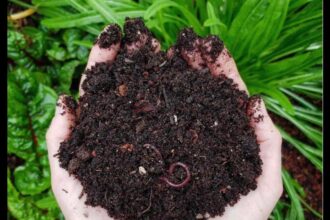
A healthy soil rich in organic matter and microbial life is the first step. This is where your compost plays its starring role.
The function of companions in the garden is to deter predatory insects and attract beneficial bugs. They serve to amend the soil and provide shade to crop plants. Companions help each other in multiple ways in the garden.
Aromatic herbs and flowers play a huge role in the garden. Their scents deter aphids, white fly, moths, their larvae and beetles. Their flowers attract beneficial insects like ladybugs, hover flies and parasitic wasps. I have a nasturtium growing in the greenhouse.

Here are some examples of Companions to the main crop plant. Iโll begin with the common guild of the Three Sisters, corn, pole beans and squash. Plant your corn and squash early before beans as they need time to get going before the rapid growth of beans. Corn is a heavy feeder and beans provide nitrogen to the soil, while the corn supports the wandering beans. The squash serves to shade the soil in the hotter parts of the growing season. Their prickly stems also deter critters trying to get close for a snack.
Potatoes best companions are plants with strong scents that have shallow roots. Marigolds scent, for example, interrupts the chemical signals potatoes put out that attract the usual destructive suspects like aphids, white fly and beetles. They also have a chemical in their roots that acts on nematodes, tiny worms that attack the potato tubers. Marigold flowers attract beneficial insects like lady bugs, hover flies and parasitic wasps which feast on aphids. Plant marigolds along the border of the bed.
Other companions to potatoes are beans for their Nitrogen fixing in the soil. Potatoes are heavy feeders so the beans help feed them. If you plant pole beans they help to shade your potatoes in the hottest summer weeks. Beans also serve as a decoy to aphids. With the other companions like onions, rhubarb and nasturtiums, all smelly plants, bugs donโt stand much of a chance of doing real damage. Plant your rhubarb near the potato bed as it tends to take over and compete with root space.
Last year we intercropped our potato bed with garlic. We have asparagus in that bed as well which is a comrade.
Beneficial neighbors for asparagus include calendula, cilantro and radishes.
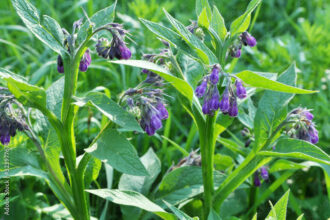
Crucifers like cabbage, broccoli and kale enjoy having neighbors like chives, dill, nasturtiums, borage and cilantro for their confusing scents, and help to deter cabbage moths and caterpillars. Their flowers attract beneficial insects like parasitic wasps, ladybugs and hover flies. Peas in the cabbage bed can help to nourish heavy feeding cabbage as well as shade it in mid-summer.
Peppers and eggplant benefit by being close to bee balm, mustard, sunflowers and sage. Make sure you take sun exposure into consideration with these companions. Peppers will need full sun early on and the sunflowers and bee balm will provide shade later either by planting them after peppers get going or cutting them back if they are already established and have gotten tall.
Iโm planting my melons in the new fruit cage Michael built this spring. We have blueberries and raspberries along the north side of the bed. Iโm going to put my cauliflower and cabbage along the south side, which is a bit shadier.
The melons will sprawl in the center of the bed intermixed with nasturtiums and borage. The berries are also beneficial to melons.
Cucumbers grow best with marigolds, bush beans, dill and radishes. The bush beans will stay low and not shade the cukes and they will add nitrogen to soil. Start your cucumbers first so they arenโt shaded by the vigorous growth of the beans. The marigolds, dill and radishes will deter pests, particularly aphids and white fly, from the cucumbers.
Plants you will want to avoid planting near cucumbers are crucifers/brassias (broccoli, kale, etc.), melons, and potatoes. Aromatic herbs to avoid are rosemary and sage. These herbs require much less water, compete nutritionally and are a bit too smelly; so smelly that they can actually repel beneficial insects.
Finally lets address tomatoes. โTomatoes love carrotsโ was the title of a companion planting book. Carrots, with their deep root donโt compete with tomatoes and historically they have a reputation for having a close, loving relationship. Other good neighbors include basil, calendula and lettuce. Youโll want to start your carrots early, late March or early April. They are cold tolerant and will need a head start. Plant them on the south side of the bed. Basil is the second most friendly plant that tomatoes love, and a great aromatic herb. Later in the summer their flowers will attract the usual beneficial insects: parasitic wasps, hover flies and ladybugs. The lettuce should be planted early enough (late March/early April) to get going ahead of the taller tomatoes. I plant mine on the north side of my tomatoes.
There are a couple other practices to consider. If you are used to planting in long rows, plant an โinsectaryโ row in between your rows. This can include all the usual aromatic herbs as well as some taller flowering plants like Queen Anneโs Lace, yarrow, dill, fennel and sweet alyssum. Yes, I know the alyssum is short but sweet! With their umbels of flowers, beneficial insects and pollinators will be swarming.
The second consideration falls under the first Permaculture principle, OBSERVATION. One of my favorite garden tasks โ the morning walk. First thing each day is to walk the garden adoring its beauty while looking for any early signs of pests. If you catch the problem early before they get a stronghold, you will be a happy gardener. I usually just squish any early aphids, but Iโve heard fellow gardeners carry a bucket of soapy water ( 1 โ 2 tsp.) to put the culprits in. Maybe they donโt like getting their fingers yucky?
So, carry on garden buddies and get out their. Enjoy and revel in the wonders of nature. In the meantime, remember, sitting near a creek, river or lake, walking in the woods can help you feel lighter and make the world look brighter.
Permaculture: Companion Planting – Part One
The Moon will be full on May 1st, this Friday. This full moon is called the Flower Moon. This will initiate another resting garden phase, a good time to mulch, prune, build trellising structures and make a garden plan for the season. Itโs also a good time to plant root crops. We are putting potatoes in this week.
Last time we talked about Biochar, how to make it and its benefits in the soil. I also talked about how to incorporate it into your compost pile.
A good compost pile should include fresh green waste from the garden and kitchen. Green waste in the pile is the Nitrogen factor. The carbon factor is dry brown waste such as leaves, straw or paper. In addition, biochar, manure, and wood ash. Wood ash provides the Potassium component. Green waste (potassium) content can be as low as 10% to power the pile if youโre short on green waste this early in the season.
Our soil, when tested told us it was low in Nitrogen and Potassium. We have plenty of Phosphorous from the volcanic ash. To address these low levels, I added my balanced compost.
In my onion bed I needed to make the soil more alkaline after a soil test showed it was a bit too acid for onions. I added bone meal and wood ash to help bring the pH up to more than 6.0 when tested. Other alkalinizing amendments are oyster shells, agricultural limestone, elemental sulfur. Organic amendments that raise pH are pine needles and forest duff.
Today I want to talk about Companion Planting. This is a principle thatโs has been practiced for centuries by indigenous peoples and the Amish. In Permaculture IPM (Integrated Pest Management) addresses this. It speaks to the combining of factors for the purpose of balance and health in the garden.
The purpose of Companion Planting is to mimic the biodiversity in the garden. Monocultures: fields of one crop, serve as a one dish Smorgasbord for pests and disease. The use of insecticides, even neem oil and diatomaceous earth kill most insects including the beneficial ones.
In Companion Planting, the mixing of food crops, aromatic herbs and flowers provide olfactory confusion to pests as well as deterrents.
A healthy soil rich in organic matter and microbial life is the first step. This is where your compost plays its starring role.
The function of companions in the garden is to deter predatory insects and attract beneficial bugs. They serve to amend the soil and provide shade to crop plants. They can improve the flavor of your crop. Some companions pull minerals up improving the soil. Some, like marigolds, release toxins from their roots to help fight nematodes that attack root crops, in particular potatoes. So you see companions help each other in multiple ways throughout the garden.
Aromatic herbs and flowers play a huge role in the garden. Their scents deter aphids, white fly, moths, their larvae and beetles. Their flowers attract beneficial insects like ladybugs, hover flies and parasitic wasps. I have a nasturtium growing in the greenhouse.

Commonly used aromatic herbs and flowers used in companion planting include basil, oregano, dill, chamomile, fennel, sage, marigolds onions, garlic radishes, calendula, cilantro, well you get the idea. You donโt have to use them all. Choose your favorites, the ones that you will use, and plant one or two near your crop plant
To end part one of Companion planting are the best know example of a guild of plants that benefit each other. The Three Sisters, corn, pole beans and squash, have been planted together for centuries by our southwest first peoples for centuries. Plant your corn and squash early before beans as they need time to get going before the rapid growth of beans. Corn is a heavy feeder and beans provide nitrogen to the soil, while the corn supports the wandering beans. The squash serves to shade the soil in the hotter parts of the growing season. Their prickly stems also deter critters trying to get close for a snack.
Until our next installment remember, sitting near a creek or stream helps you feel lighter and makes the world look brighter.