Home / Siskiyou News / Commentary / Bird Flu’s Expanding Shadow: From Klamath Wetlands to Coastal Seals, Siskiyou County Must Stay Vigilant

Bird Flu’s Expanding Shadow: From Klamath Wetlands to Coastal Seals, Siskiyou County Must Stay Vigilant

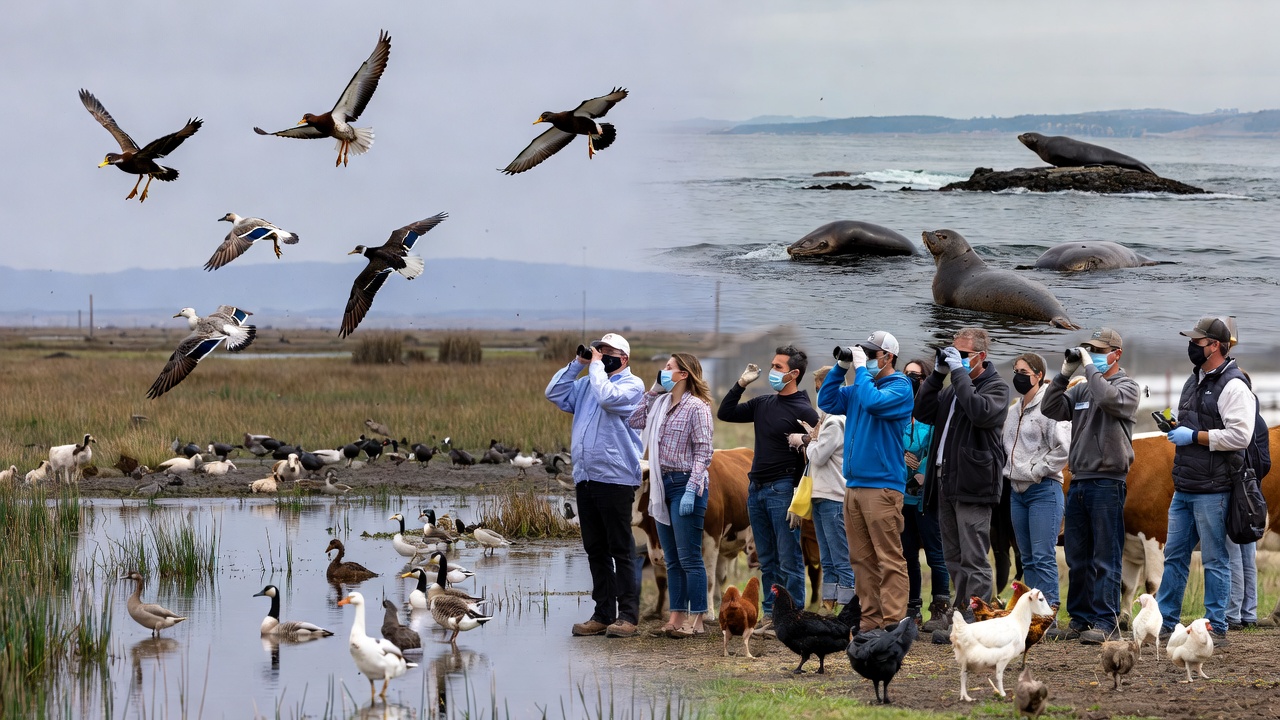
As winter slips into spring in the Klamath Basin, the familiar honks of migrating geese echo across Siskiyou County’s vast wetlands, a reminder of our place in the Pacific Flyway.

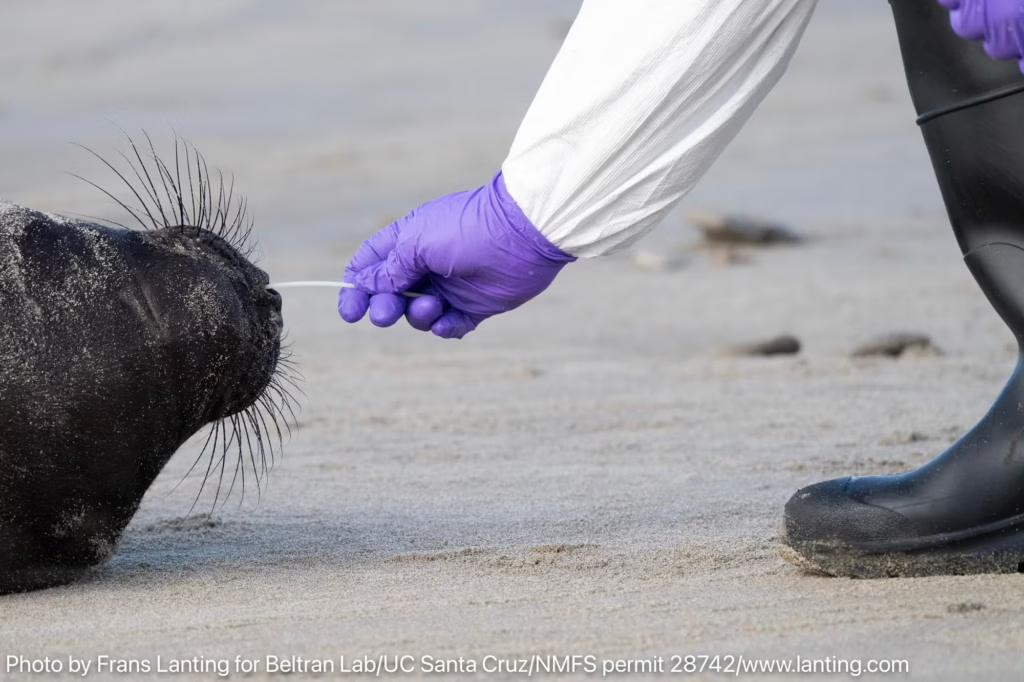
A researcher collects a nasal swab sample from a symptomatic elephant seal weaned pup for avian influenza testing. Photo by Frans Lanting for the Beltran Lab / UC Santa Cruz under NMFS Permit 28742.

But this year, that seasonal symphony carries an undercurrent of unease. The highly pathogenic H5N1 avian influenza, better known as bird flu, is once again weaving its way through California’s wildlife and agriculture, with recent spillovers raising alarms from Butte County farms to Bay Area beaches. As publisher of Siskiyou News, I’ve watched this virus evolve from a distant poultry threat into a local specter, one that demands we revisit our past brushes with avian crises and brace for potential economic and ecological fallout right here in the north state.

source: California Department of Food and Agriculture
A team of researchers including a veterinarian wearing personal protective equipment walk out to monitor and sample the elephant seals at Aรฑo Nuevo State Park. Photo by Frans Lanting for the Beltran Lab / UC Santa Cruz under NMFS Permit 28742.

Let’s start with the freshest wound: the mammalian spillover at Aรฑo Nuevo State Park. Just this week, on February 25, 2026, officials confirmed seven northern elephant seal pups tested positive for H5N1โ€”the first documented cases in California’s marine mammals. These weaned pups, part of a bustling breeding colony, exhibited the virus’s hallmark neurological symptoms: tremors, seizures, and paralysis. While the outbreak appears contained for now (with most adult females already migrated), it’s a chilling escalation. We’ve seen this playbook before in South America, where tens of thousands of seals perished, decimating populations and rippling through ecosystems. For Siskiyou residents, this coastal event might seem remote, but it underscores H5N1’s adaptabilityโ€”from birds to cows, cats, and now seals. Could our Klamath River otters or local foxes be next? The virus’s jump to mammals amplifies risks for hunters, ranchers, and even pet owners in our rural communities, where wildlife interfaces are everyday realities.

source: CDC.GOV

Closer to home, the Butte County issue exemplifies how H5N1 is hammering California’s agricultural backbone. On January 2, 2026, a commercial gamebird flock of over 34,600 birds was depopulated after testing positiveโ€”a stark reminder of the virus’s persistence in poultry operations. Butte, just south of Siskiyou, shares our vulnerability in the Pacific Flyway, where migratory waterfowl act as silent carriers. This isn’t isolated; it’s part of a statewide surge, with California logging 38 of the nation’s 71 human cases since 2024, mostly among dairy workers. Drawing from our own archives, recall the November 15, 2024, piece on bird flu’s havoc in California’s dairy industry. There, we detailed how nearly 260 dairies were quarantined, crippling operations like Tulare Sales Yard and costing farmers hundreds of thousands in lost milk production. As Assemblywoman Alexandra Macedo put it, it’s “COVID for cows,” with regulations exacerbating the pain more than the pathogen itself. Siskiyou’s smaller dairy and poultry scenes haven’t been hit hard yet, but with fall migrations reintroducing the virus, our farms could face similar quarantines, supply chain snarls, and price hikes at local grocers.

This brings us to the Klamath Flywayโ€”the lifeblood of our region’s biodiversity and a potential H5N1 superhighway. The Klamath Basin National Wildlife Refuge Complex, straddling Siskiyou and Klamath Counties, hosts millions of migratory birds each year, making it ground zero for avian diseases. Our December 6, 2024, article warned of H5N1’s return with fall migration, citing detections in counties like Contra Costa and Marin, and urging hunters to avoid sick game and disinfect gear. The piece echoed CDFW’s advice: report dead birds, prevent wild-domestic mingling, and cook game to 165ยฐF. But history shows warnings alone aren’t enough. Flash back to the devastating 2024 botulism outbreak in the Klamath refuges, which killed an estimated 100,000 waterfowlโ€”preventable, according to the Klamath Water Users Association (KWUA). In their October 9, 2024, press release, KWUA lambasted federal water management as “too little, too late,” with deliveries starting only after the die-off began and halting prematurely. KWUA President Tracey Liskey called it a sacrifice “on the altar of the Endangered Species Act,” while Executive Director Paul Simmons drew parallels to decades of farm hardships. Though botulism, not flu, drove that crisis, stagnant wetlands amplified risksโ€”conditions that could supercharge H5N1 today, especially amid ongoing Klamath dam removals and water disputes.

These past events aren’t relics; they’re harbingers. The 2024 dairy article highlighted wild birds as the initial vector for cattle infections, spreading “like wildfire” through herds. Similarly, the fall migration piece noted H5N1’s seasonal resurgence, subsiding in summer only to roar back with travelers from afar. And the KWUA response? It exposes systemic failures in federal oversight, where wildlife refuges and family farms pay the price for bureaucratic inertia. In Siskiyou, we’ve dodged major bullets, like the unreported suspected outbreak at Fort Jones’ Pasture Raised Kids Farm School last Novemberโ€”but complacency isn’t an option. Our economy thrives on agriculture and ecotourism; a full-blown Klamath die-off could devastate both, echoing the 20,000+ bird losses in 2024 refuges.

Commentary-wise, it’s time for a reckoning. Federal agencies must prioritize proactive water management in the Klamath Basin, investing in storage and wetland restoration as KWUA demands. Locally, Siskiyou ranchers and hunters should double down on biosecurity: bird-proof coops, report sightings to CDFW (916-358-2790), and avoid raw pet food. And let’s not ignore the human elementโ€”mild cases so far, but with mammalian jumps like the seals, vigilance is key. As Simmons said, “We simply cannot continue to manage water in this way and sacrifice our resources.” Siskiyou County, with its wild rivers and resilient communities, can lead by example: informed, prepared, and united against this viral tide.

For updates, follow @SisqNews or check CDFA/CDC sites. If you’ve spotted unusual wildlife activity in the Klamath area, share your storiesโ€”we’re all in this flyway together.


Leave a Reply

Your email address will not be published. Required fields are marked *