

By Kendall Hannon
One of my hobbies is researching history. Sometimes, I read books about historical figures or major conflicts. What I often find even more enjoyable is history closer to home—the history or stories of important “everyday” people who helped shape my community. A few years ago, I stumbled across just such a story.
Browsing eBay one evening, I came across a black photo album listed for sale. The auction listing stated the album referenced a man named Howard L. Dayton and that Mr. Dayton had been a “Tulelake Supervisor.” I purchased the album.
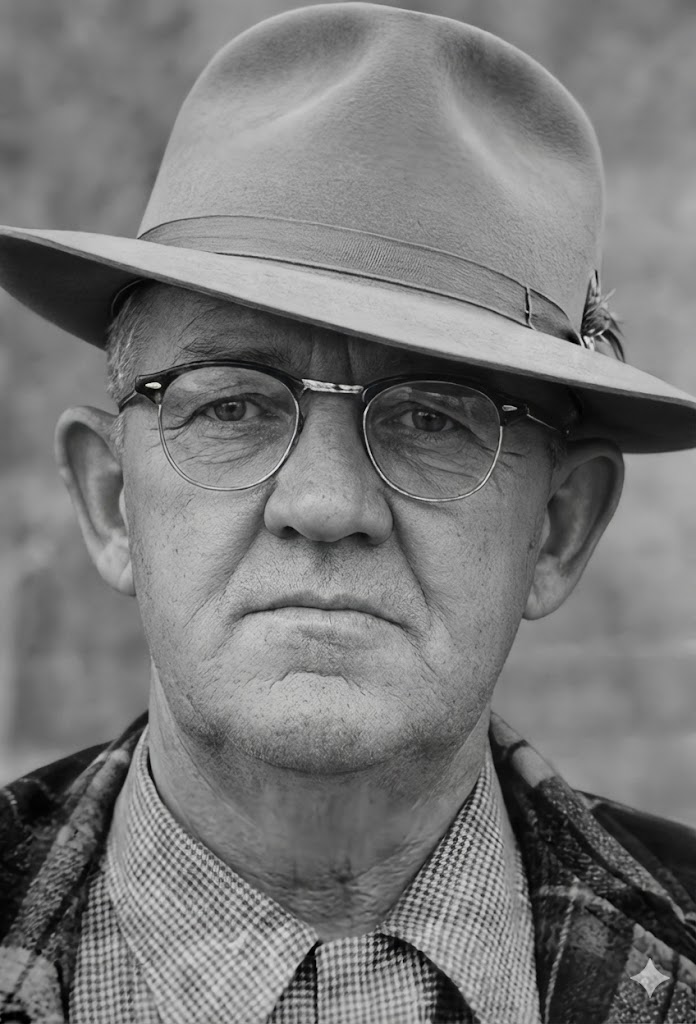
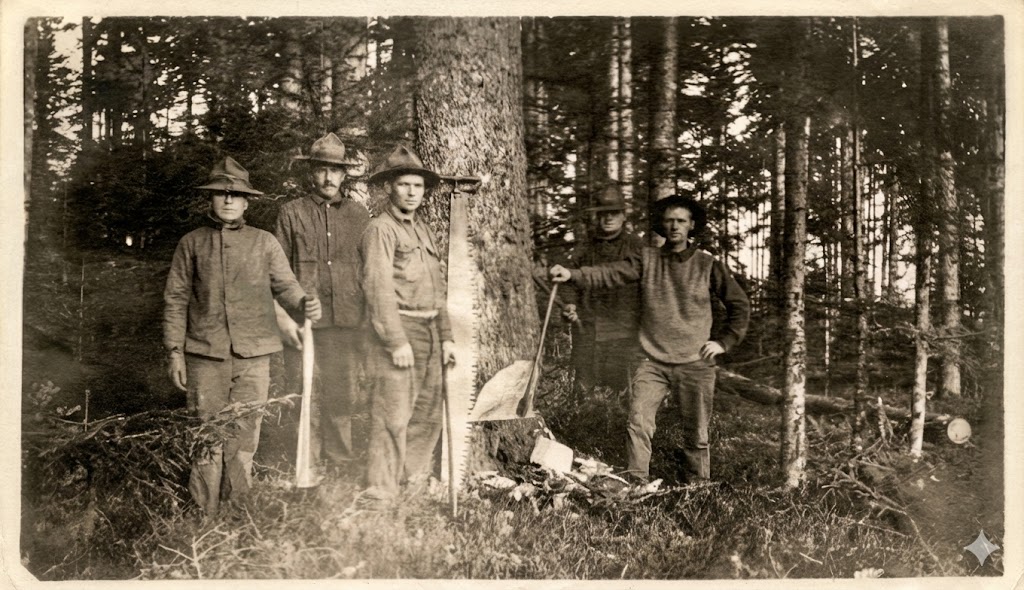
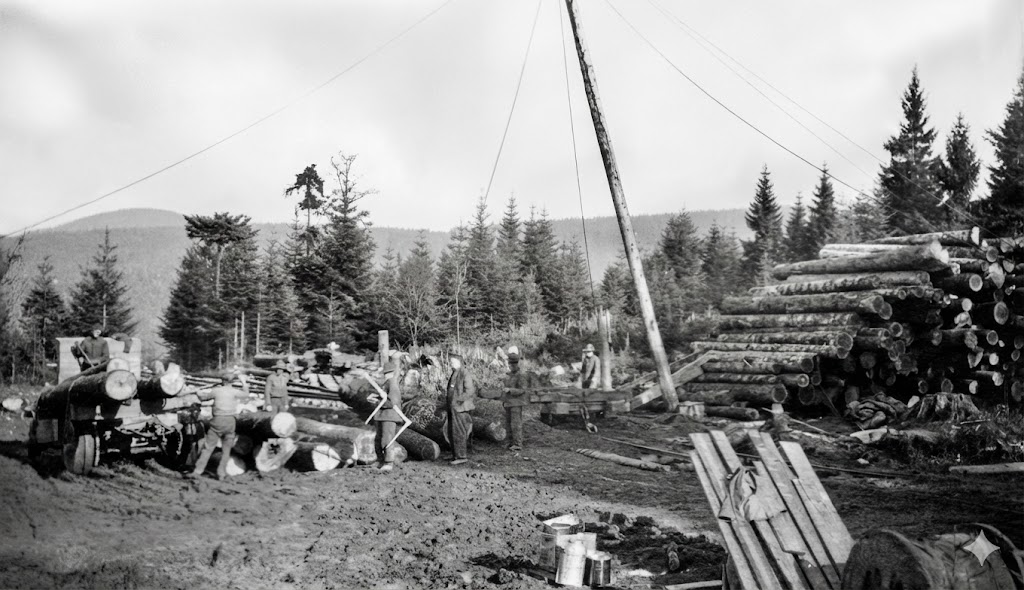
I researched Mr. Dayton and his history. Mr. Dayton was born in Hollister in 1895. His family first moved back to Michigan, before returning to California and ultimately settling in Siskiyou County. During World War I, Mr. Dayton volunteered to serve and was a member of the 4th Battalion of the 20th Engineer Regiment. The 20th Engineers primarily engaged in logging. Siskiyou County is no stranger to the importance of the logging industry; In France during World War I, it was no different as wood was needed to construct corduroy roads, bridges, and reinforced trenches.
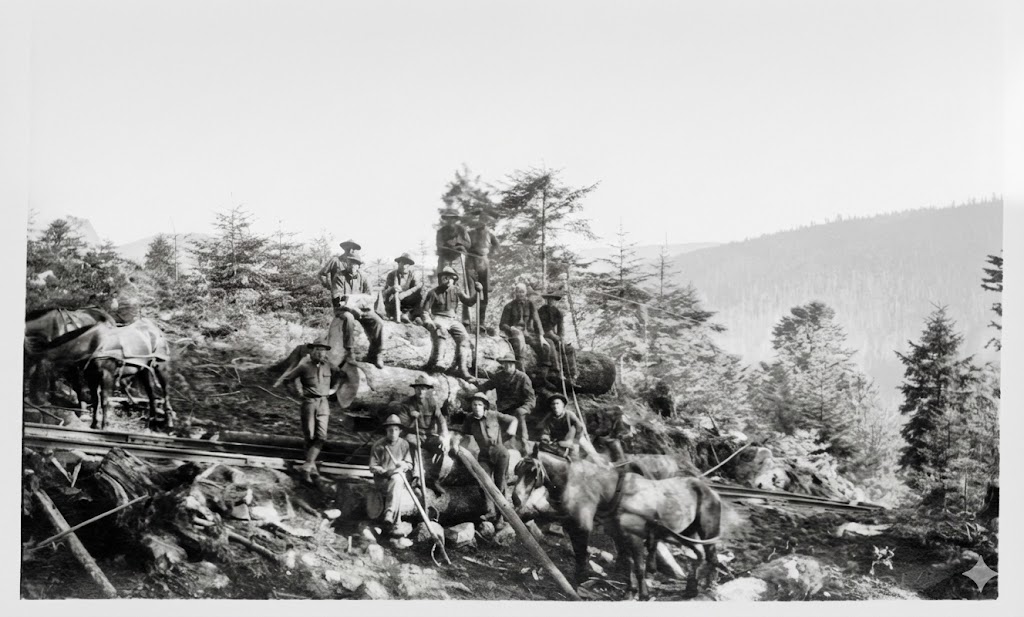
After the war, Mr. Dayton and his dad operated a laundry business in Dorris. After briefly relocating to Amador County, Mr. Dayton received a homestead in Tulelake in 1932, where he operated a ranch. He was an active member of the Tulelake and Siskiyou communities. He was active in Farm Bureau and served as commander of the Tulelake American Legion Post. Ultimately, in 1956, he was elected to the Siskiyou County Board of Supervisors. Sadly, he became ill and passed away in 1957 before taking office.
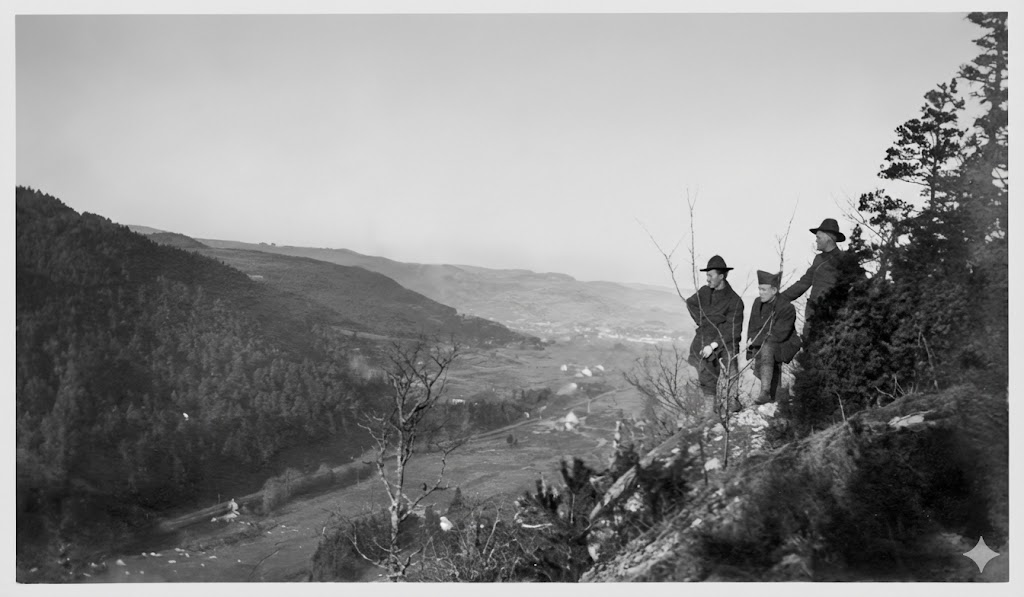
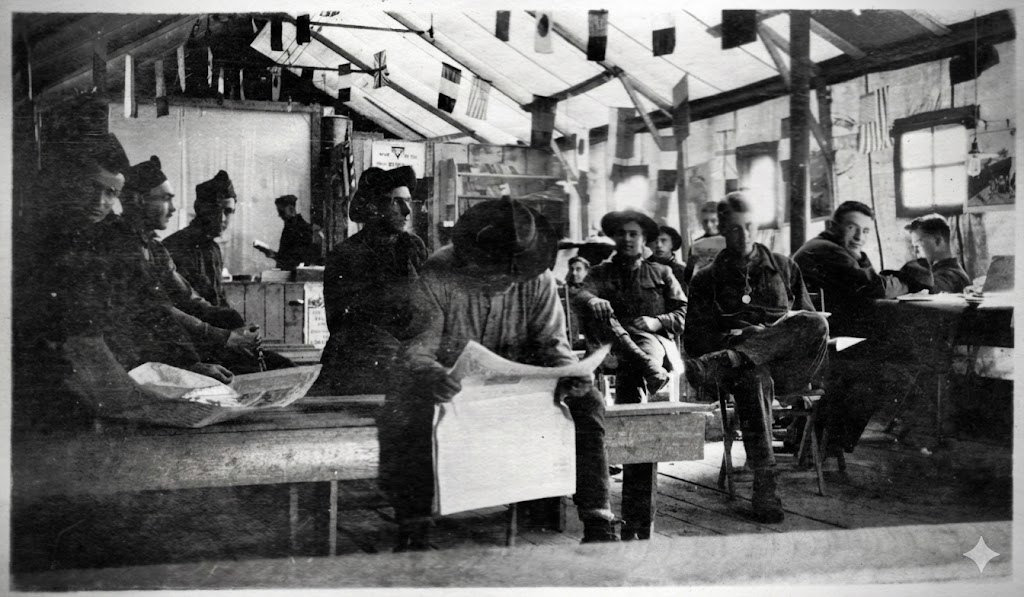
The photo album I purchased consists of photos Mr. Dayton took during his time in France in World War I. World War I was the first truly photographed war. Unlike the Civil War, where cameras were large and subjects had to remain still, during World War I soldiers could purchase cameras (such as the Kodak “Vest Pocket” camera). These cameras allowed the men to take quick snippets of the war for posterity.
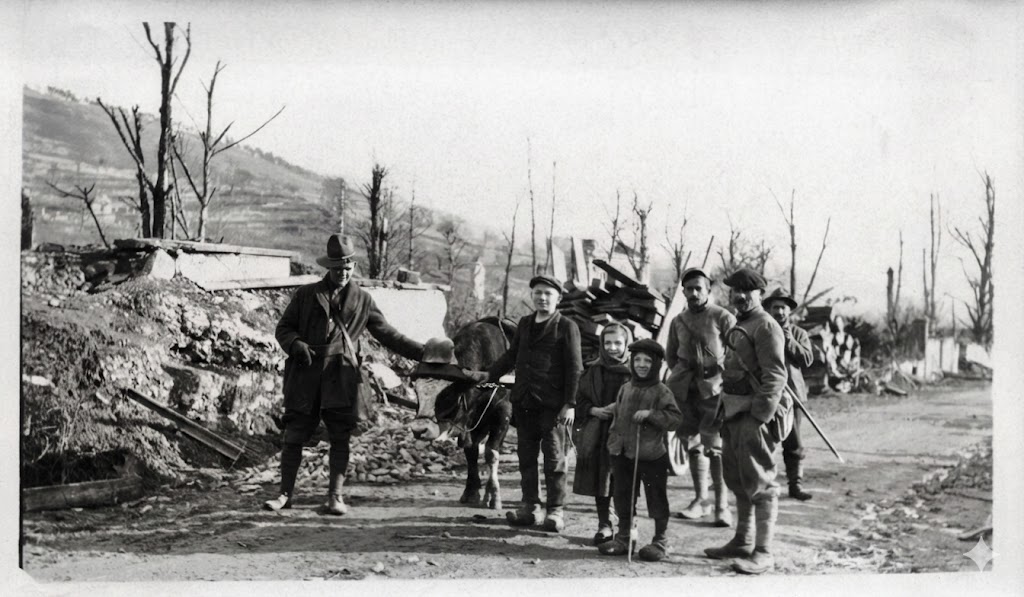
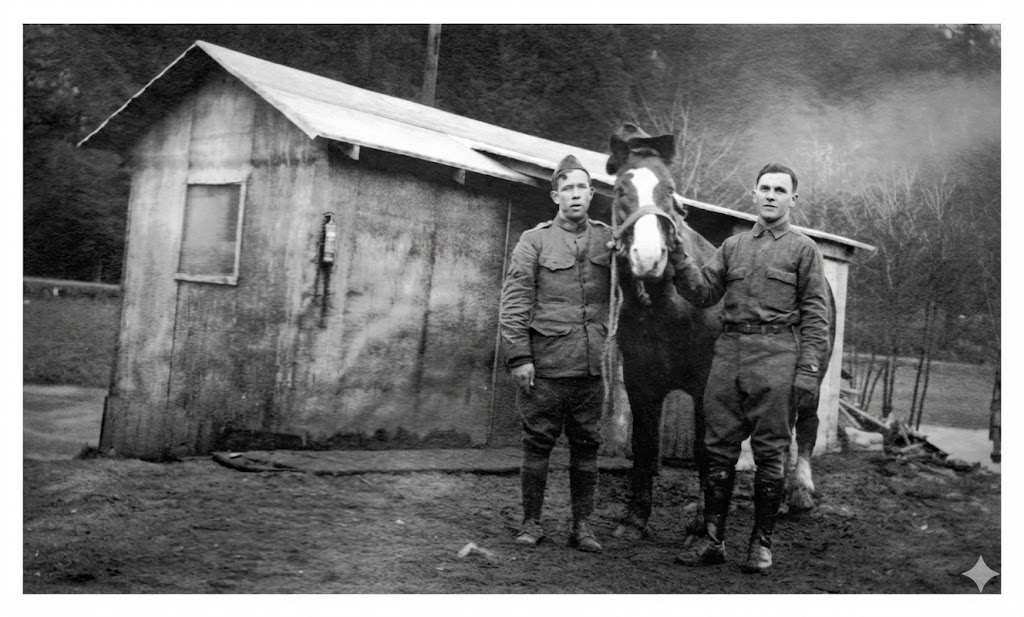
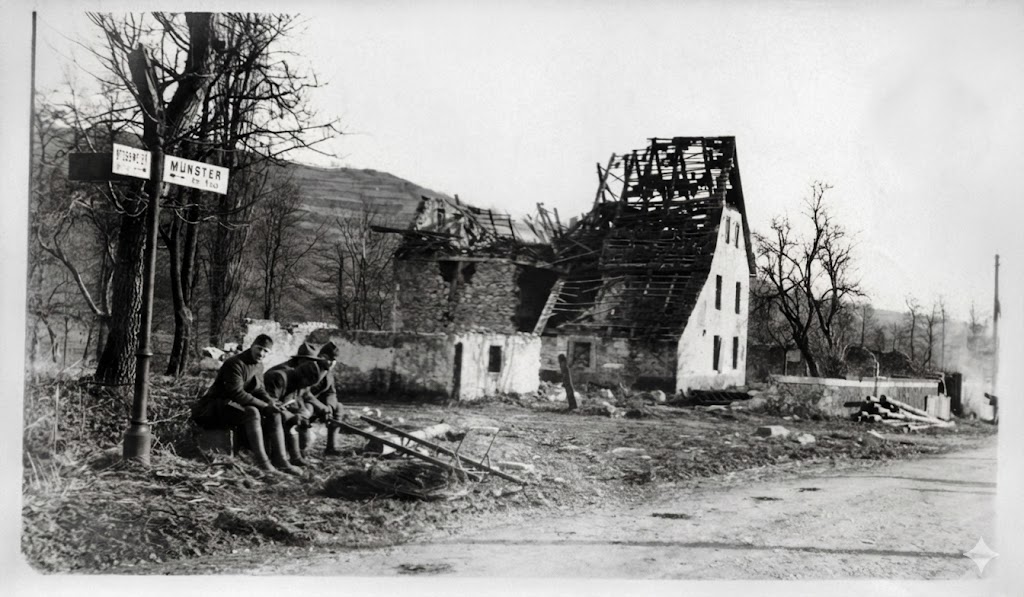
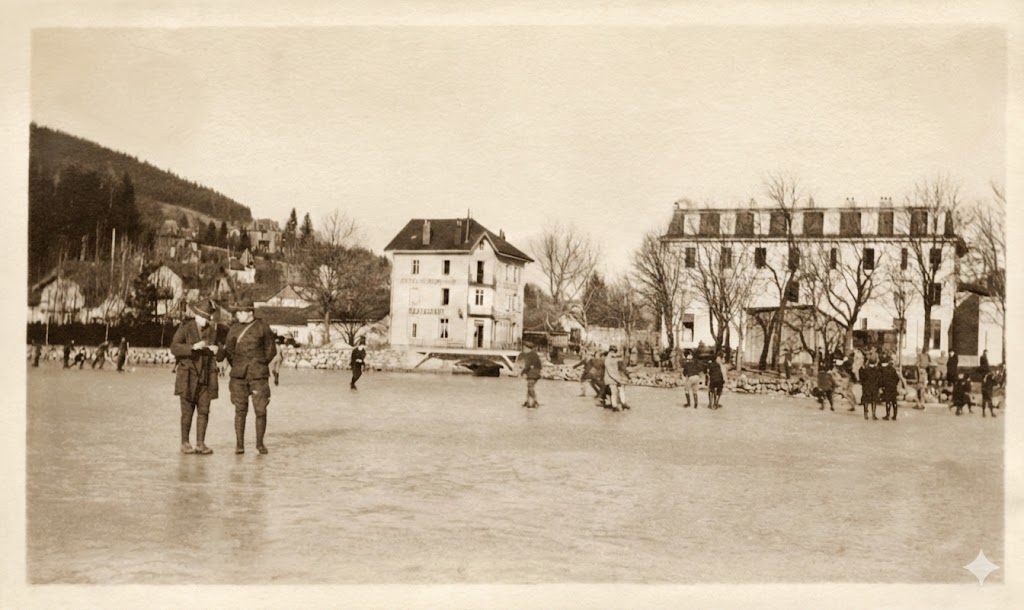
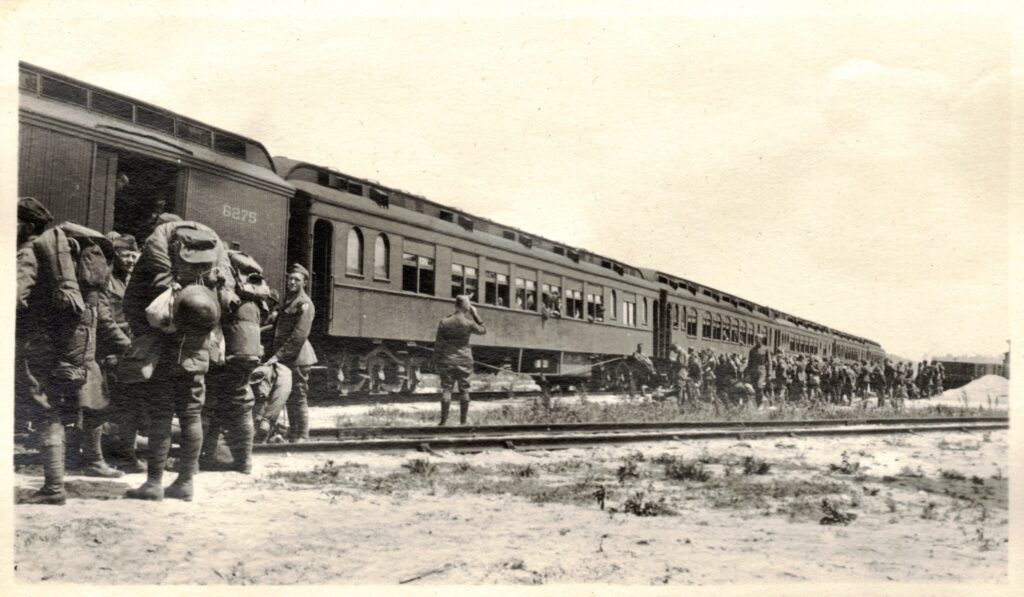
The photos are a fascinating snapshot of the war and the logging industry. Some of the photos showed the soldiers working hard. Others depicted the soldiers during their down time, comrades in arms enjoying brief respites from war. In these latter images, we see French civilians and towns and the war’s impact on both. These are valuable images; images of the war from the perspective of the “every man” soldier. These are images that likely wouldn’t make it into history books. However, it is precisely because of this fact that they are so important and we are lucky that Mr. Dayton took the time to snap and preserve the photos.
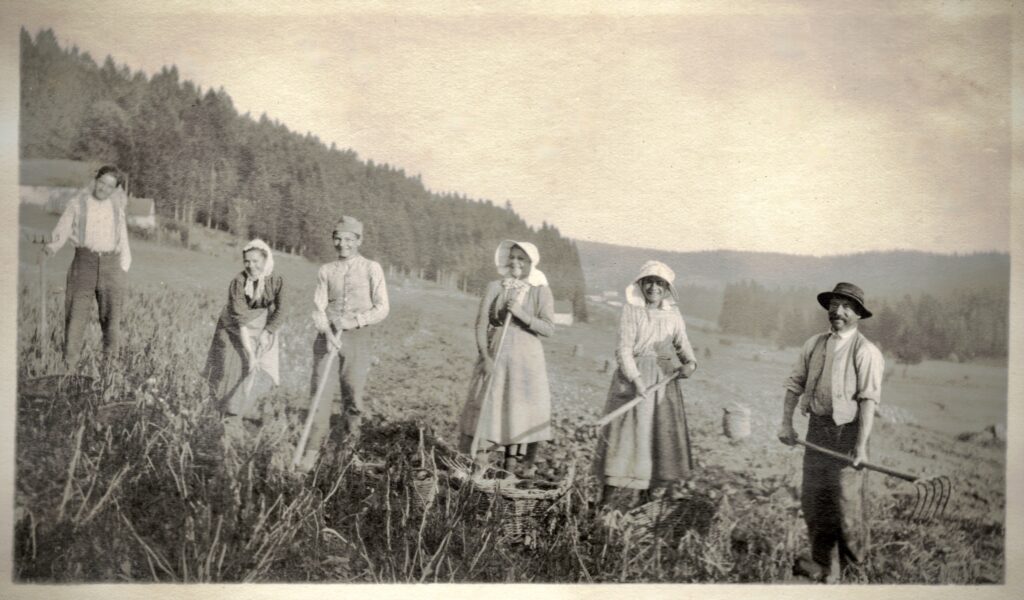
Mr. Dayton’s story echoes that of the many families that homesteaded and built Siskiyou County’s various agricultural and ranching communities. Perhaps Mr. Dayton’s story resonates with me so much because of my own family’s homesteading experience. In 1932, when Mr. Dayton and my great-grandfather Francis Hannon were establishing their respective homesteads, the country was mired in the Great Depression. Tulelake was not spared from the Depression’s impact, a fact poignantly documented by Dorothea Lange’s famous photos. Mr. Dayton and Francis Hannon, however, not only persevered but also gave back to their community through service.
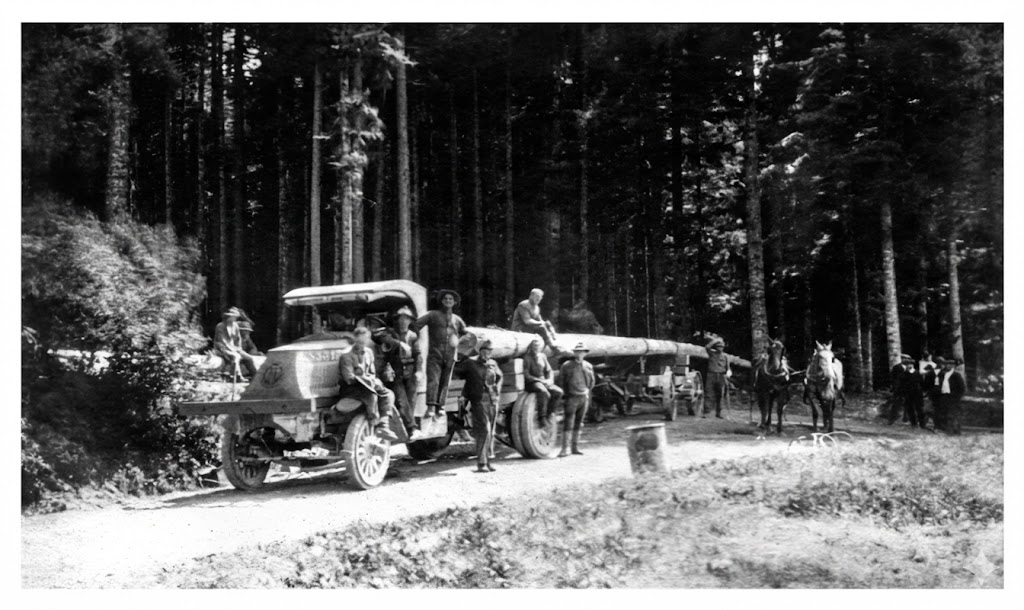
Mr. Dayton’s album is a powerful reminder that, while each of us may not be a world leader or titan of industry, our history matters. What may seem “ordinary” or “normal” to us will be, to subsequent generations, an invaluable snapshot of a life gone-by.