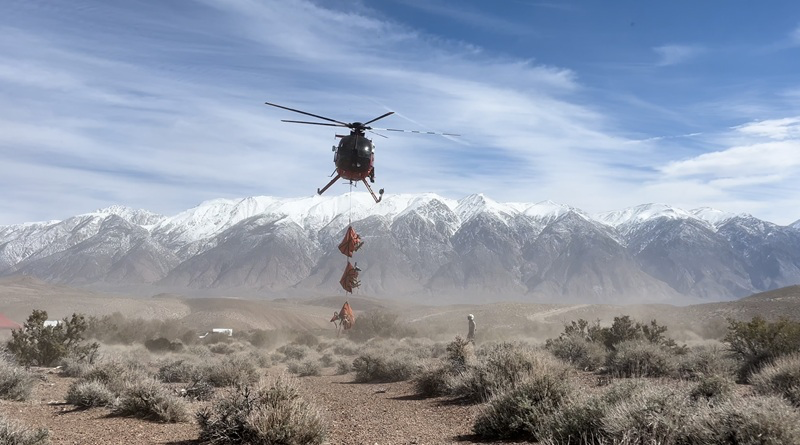
The California Department of Fish and Wildlife (CDFW) will conduct extensive helicopter-based capture operations throughout Northern California this month, with Siskiyou County serving as a primary focus area for gray wolf collaring efforts.
According to an official CDFW announcement, wildlife capture teams will work across multiple counties in January 2026 to deploy GPS tracking collars on mule deer, tule elk, Rocky Mountain elk, and gray wolves. The initiative aims to gather critical data on species distribution, migration patterns, survival rates, and habitat usage across the region.
Wolves Targeted in Siskiyou
While deer and elk captures will span eleven counties from Alameda to Tehama, wolf collaring efforts will concentrate specifically in Siskiyou, Lassen, and Tehama counties, with additional operations possible in Modoc, Shasta, and Plumas counties targeting uncollared packs.
The operation comes as gray wolf populations continue to expand in Northern California, creating both ecological interest and practical concerns for ranchers and rural residents. Captured wolves will be released immediately after processing onto the nearest suitable public land.
“Deployed collars will transmit data to CDFW scientists daily for up to three years,” according to the department’s statement, providing unprecedented insight into pack movements and territory establishment.
Real-Time Data for Conflict Prevention
A key community benefit involves CDFW sharing wolf location information directly with cattle and sheep producers. While the GPS collars do not provide real-time tracking, the delayed data will help livestock operators anticipate wolf movements and implement preventive measures to reduce depredation incidents.
The location data automatically feeds into CDFW’s publicly accessible Wolf Tracker mapping tool, allowing residents to monitor collared wolves’ general movements.
Access Across Land Ownership Boundaries
Capture operations will occur on a mix of public and private lands, including CDFW properties, USDA Forest Service lands, Bureau of Land Management territory, and private timber holdings. CDFW acknowledged “timberland owners and other private parties” for granting access, reflecting the cross-jurisdictional cooperation necessary for large-scale wildlife research.
The collaring initiative represents one of the most comprehensive wildlife monitoring efforts in recent Northern California history, with potential implications for future hunting regulations, land management decisions, and human-wildlife conflict mitigation strategies across Siskiyou County.