

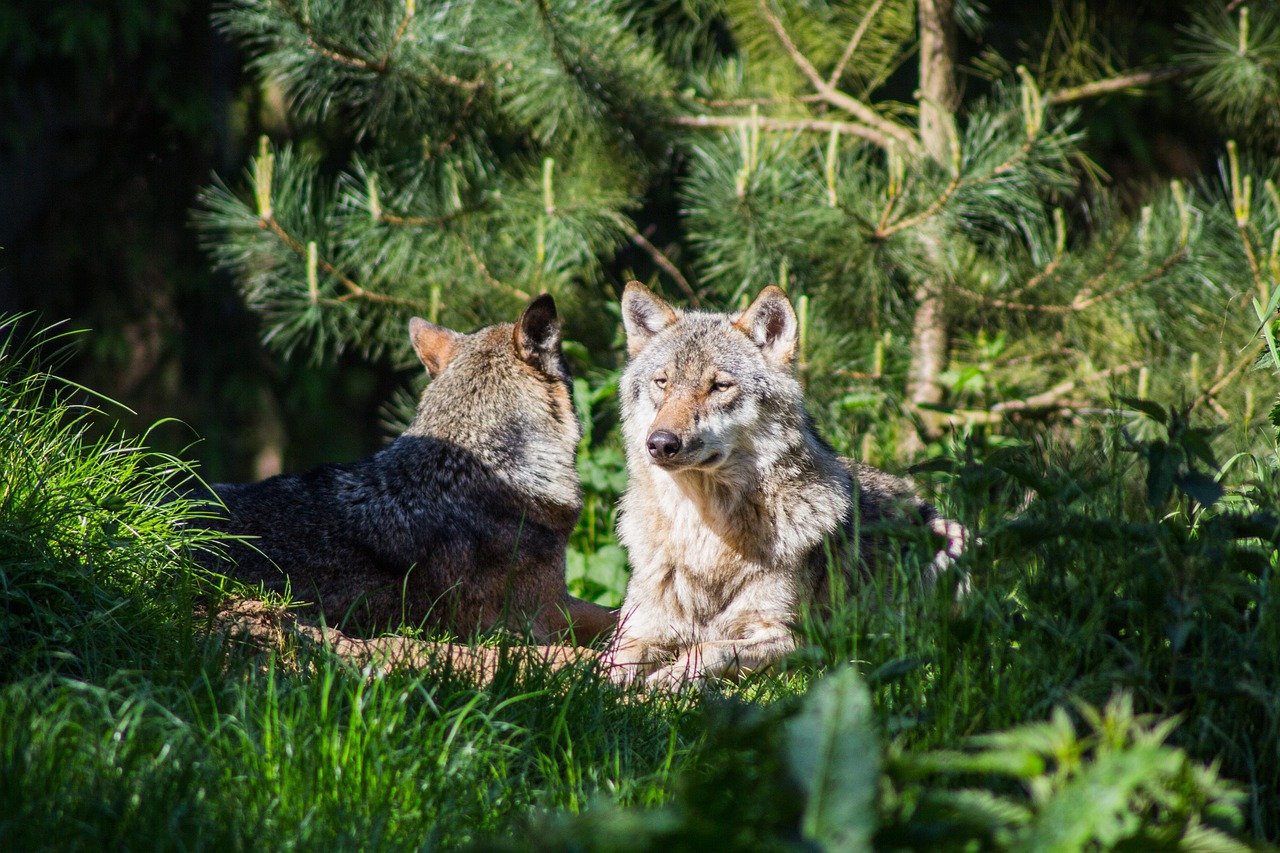
Siskiyou County finds itself at ground zero of national predator policy debate while elementary students shelter inside
MONTAGUE – While Congress debated the fate of gray wolves in Washington D.C. last week, the Whaleback Pack was making its own aggressive moves on the ground here in Siskiyou County—forcing Little Shasta Elementary to keep students indoors and prompting county officials to declare a local emergency.
The U.S. House voted along party lines Tuesday to begin formal debate on legislation that would strip Endangered Species Act protections from gray wolves nationwide, a move that would return management authority to states and tribes. The vote, largely symbolic as the measure faces steep odds in the Senate, nonetheless signals growing political will to address what rural Western counties have been screaming about for years: recovered wolf populations are no longer theoretical—they’re stalking schoolyards.
“Many children wait for the school bus at the end of their driveways or are outside performing chores during the early morning hours before school begins,” said District 1 Supervisor Jess Harris, who confirmed wolves were spotted just 0.6 miles from Little Shasta Elementary last Friday. “This isn’t some abstract conservation debate anymore. This is about whether a second-grader can walk to the bus stop without becoming prey.”
The proximity alarm wasn’t theoretical. Students observed wolves chasing cattle less than a mile from campus during breakfast period, triggering immediate lockdown protocols. Staff at the tiny rural school have been coordinating with the county wolf liaison and now receive daily updates on collared wolf locations to guide safety decisions.
DECLARING WAR ON THE WHALEBACK
Siskiyou County’s emergency declaration, passed unanimously by the Board of Supervisors on November 18, cites over 80 confirmed livestock depredations since 2021—with local ranchers claiming the actual number is far higher due to carcasses disappearing into the region’s rugged terrain. The Whaleback Pack, one of California’s oldest and largest wolf families, has become increasingly habituated to human presence as its numbers swell.
Recent California Department of Fish and Wildlife reports confirm the Whaleback Pack added at least nine new pups this year, bringing its total population to levels that have ranchers and county officials questioning whether federal protection still makes sense.
“The species has met recovery goals, and continued federal listing is no longer justified,” the Board wrote in a letter to Congressman Doug LaMalfa, echoing language from House Republicans pushing for delisting. County officials argue that chronic wolf pressure is costing ranchers not just in dead cattle, but in stressed livestock that fail to breed and lose significant weight—compounding economic devastation in a region already hollowed out by the loss of its timber industry.
WASHINGTON’S ECHO CHAMBER
The House vote came just months after a federal court in Montana delivered another blow to delisting efforts, vacating portions of a 2024 Fish and Wildlife Service finding that wolves had recovered. Representative Jack Bergman (R-MI), who led Tuesday’s legislative push, has been pressuring the newly confirmed FWS Director Brian Nesvik to simply reissue the 2020 delisting rule that was overturned by a California court in 2022.
In a letter to Nesvik, Bergman and 24 colleagues argued that courts have “effectively imposed a new requirement for delisting that the ESA does not contain”—demanding wolves repopulate their entire historic range before losing protected status.
For Siskiyou County, that legal abstraction has real teeth. Federal protections severely limit the county’s ability to manage problem wolves, forcing reliance on non-lethal deterrents that locals say are about as effective as shouting at the wind.
THE SCHOOLYARD STANDOFF

Little Shasta Elementary officials have been measured in their public statements, emphasizing coordination with wildlife authorities and focusing on student safety. But parents and community members have been less diplomatic on social media, posting photos of wolf tracks near bus stops and sharing accounts of encounters that sound more like Yellowstone than rural California.
“We anticipate this to be a continued issue in the Little Shasta area,” school officials acknowledged in a statement, noting they will provide the community with “as much information as possible.”
That transparency cuts both ways. While conservation groups celebrate the “inspiring renaissance” of California’s wolf population—which has grown to 10 confirmed packs statewide—locals see the federal government’s position as willful blindness to rural reality.
AT THE CROSSROADS
The House debate represents the latest volley in a decades-long war over predator management. For every lawmaker citing science showing wolves have surpassed recovery goals, there’s a conservation group warning that premature delisting could reverse hard-won progress.
For Siskiyou County, the math is simpler: when wolves are close enough to a school that children can watch them hunt during breakfast, the recovery debate is over. The only question left is who gets to manage the consequences.
As Supervisor Harris put it: “We’re not asking to exterminate wolves. We’re asking for the right to protect our kids and our livelihoods. Right now, we don’t have that right.”
County officials plan to present updated wolf activity reports in the coming weeks to determine whether the local emergency declaration should remain in effect. In the meantime, Little Shasta students will continue receiving indoor recess—and daily lessons in federalism that no textbook could teach.
UPDATE: “Just a day after being in close proximity to Little Shasta Elementary School, the Whaleback pack took a trip over to Butte Valley near the little town of Mount Hebron and killed cattle. These wolves are habituated and continuing to depredate at an alarming rate.” Jess Harris