

“Based on the best scientific and commercial information available, including the status review report, and taking into account efforts being made to protect the species, we have determined that the OC and SONCC Chinook salmon ESUs do not warrant listing.” source: Federal Register
In a significant decision for Pacific Northwest fisheries and conservation efforts, the National Marine Fisheries Service (NMFS), part of the National Oceanic and Atmospheric Administration (NOAA), has denied the petition to list the Oregon Coast (OC) and Southern Oregon/Northern California Coastal (SONCC) Chinook salmon evolutionarily significant units (ESUs) as threatened or endangered under the Endangered Species Act (ESA). The announcement, made on December 9, 2025, concludes a comprehensive status review that determined these salmon populations are not currently at risk of extinction nor likely to become so in the foreseeable future.
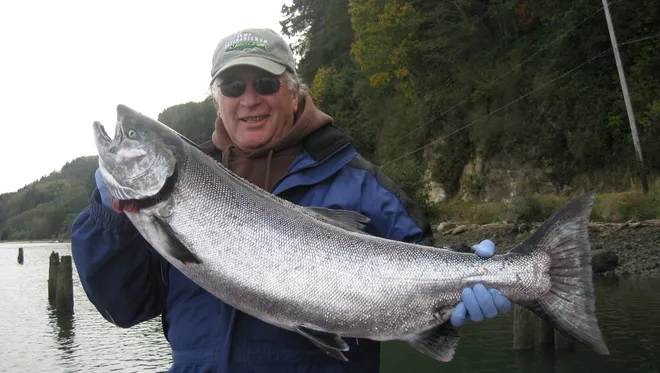
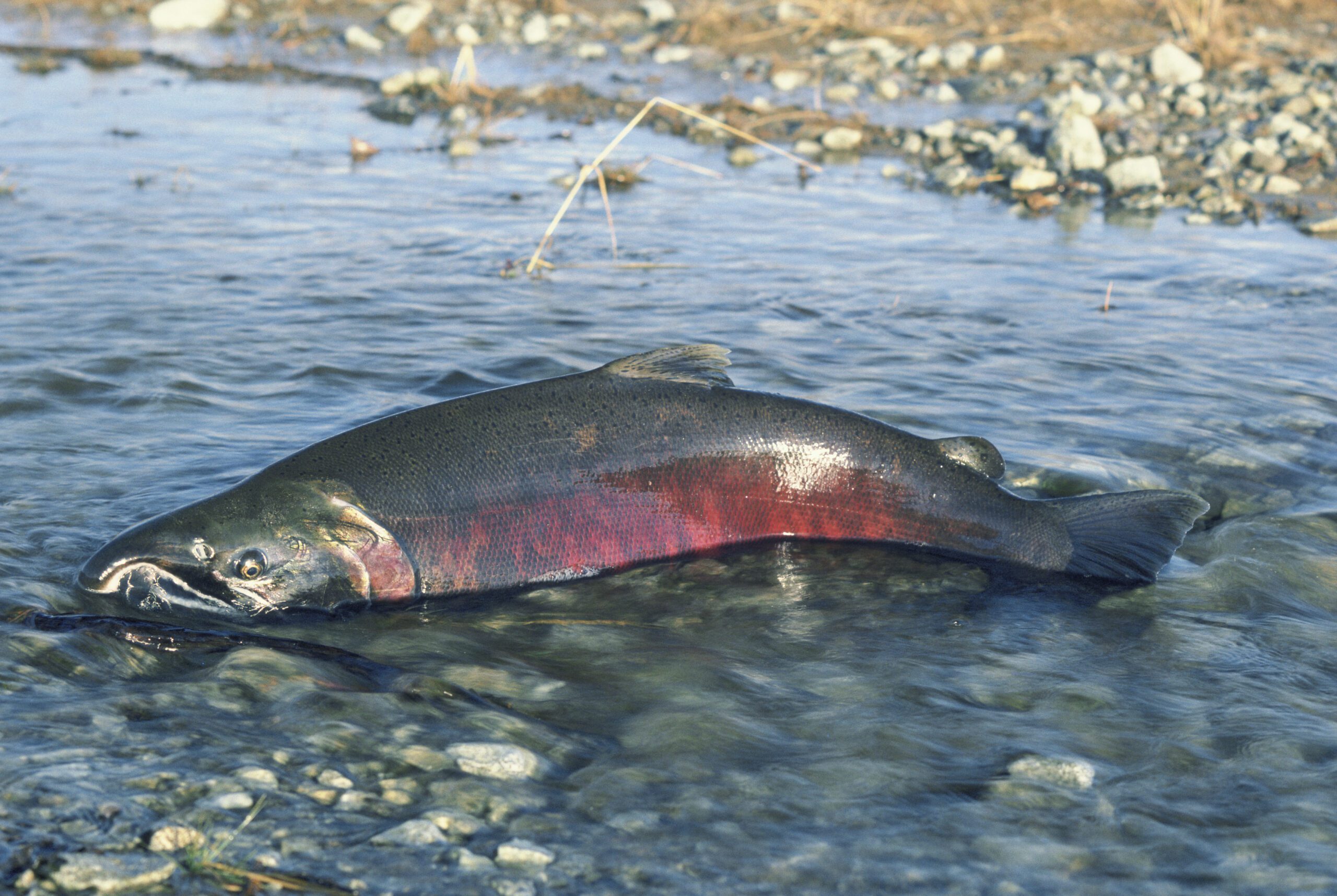
Chinook salmon, often called king salmon, are a keystone species in the region’s ecosystems, supporting wildlife like endangered southern resident orcas and contributing to commercial, recreational, and Tribal fisheries.
The petition, originally filed in 2022 by environmental groups including the Center for Biological Diversity, cited threats such as habitat degradation from logging, dams, climate-induced warming waters, and insufficient protections, particularly for the more vulnerable spring-run Chinook. However, NMFS’s review emphasized that the overall abundance, driven largely by the more numerous fall-run populations, offsets these risks. The agency does not evaluate spring- and fall-run Chinook separately for coastal ESUs, unlike inland populations.
This denial marks the second such rejection in recent years and reverses a preliminary positive finding from 2023 under the Biden administration, which had indicated potential protections amid ongoing declines. Conservation advocates have sharply criticized the move under the Trump administration, arguing it prioritizes economic interests like logging and dam operations over species survival, Tribal sovereignty, and ecosystem health. Groups such as the Center for Biological Diversity and Defenders of Wildlife have vowed to pursue legal challenges, while redirecting efforts toward stronger state-level safeguards in Oregon and California.
The decision does not impact other Pacific salmon and steelhead runs already protected under the ESA, where NMFS continues to implement recovery plans focused on habitat restoration, sustainable fisheries management, and partnerships with state, Tribal, and local stakeholders.