
Home / Siskiyou News / KWUA Reaffirms Legal Protections for Keno Dam Amid Policy Discussions

KWUA Reaffirms Legal Protections for Keno Dam Amid Policy Discussions

As public attention grows over the future of Keno Damโ€”including calls for its removal to expand fish passage for species now migrating upstream of the former Lower Klamath River dam sitesโ€”the Klamath Water Users Association (KWUA) is reaffirming the damโ€™s vital role in the regionโ€™s water system and urging federal agencies to honor binding legal obligations that protect it.

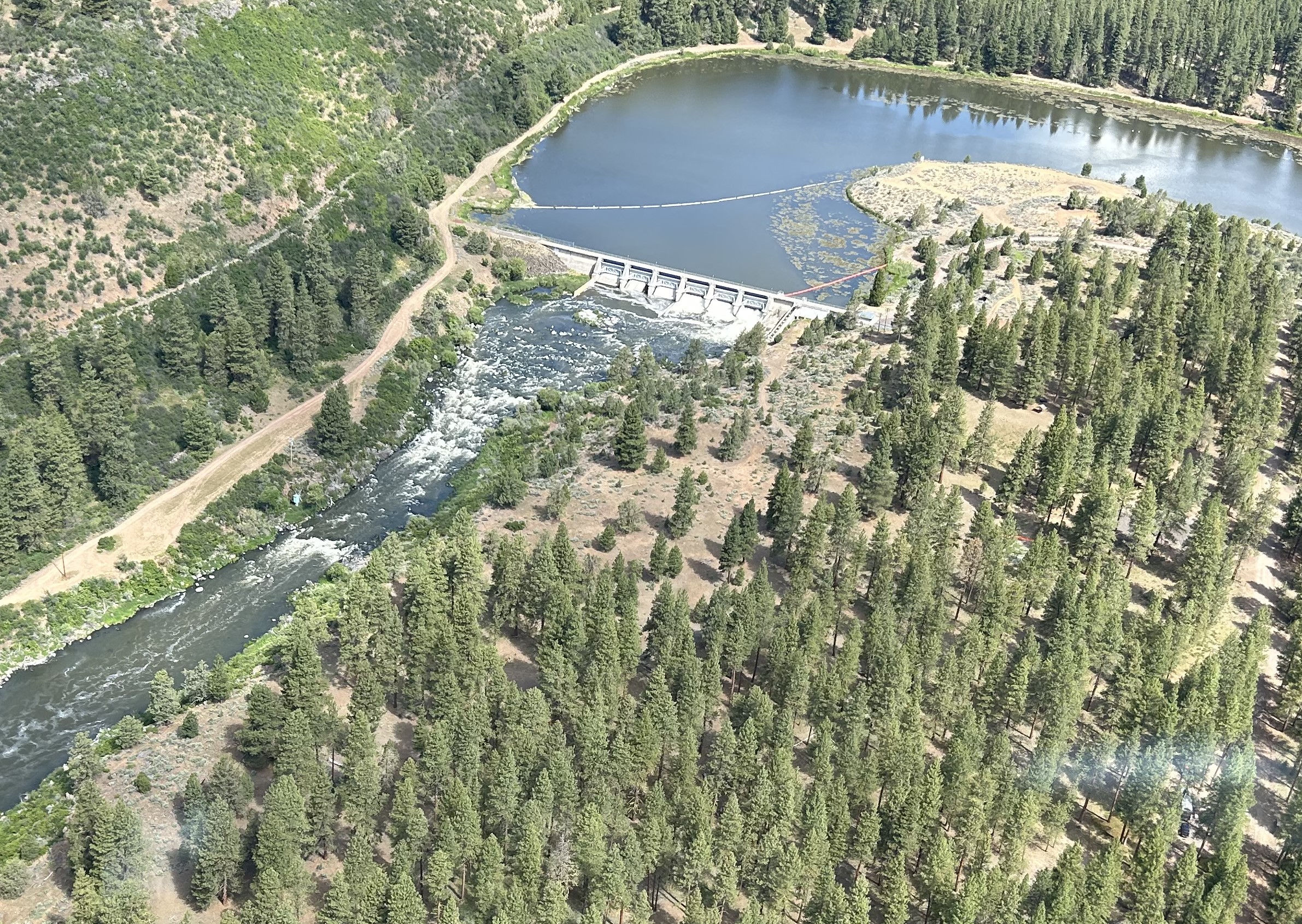
Keno Dam, located on the Klamath River just downstream of the Klamath Irrigation Project diversion works, is vital infrastructure that supports flood control, water deliveries to approximately 100,000 acres of agricultural lands, and wildlife habitat for two premier national wildlife refuges.

A century ago, a rock reef in the Klamath River impeded flow at Keno, raising water levels behind the reef. In the early 1930s, the California Oregon Power Company (Copco) constructed โ€œNeedle Damโ€ at Keno to maintain water elevations along the 18-mile section of the Klamath River between the city of Klamath Falls and the town of Keno. This design supported the operation of the Lost River Diversion Channel, which diverts flood waters from the Lost River into the Klamath River.

Following major flooding in 1964-1965, Pacific Power and Light Company agreed to replace the damaged Needle Dam with a larger, more robust facility. In 1965, the Federal Power Commission authorized the construction of the new Keno Dam and significant channel improvements upstream, including an engineered cut into the Keno Reef to maintain desired flow conditions. Today, Keno Dam continues to provide flood control and is essential to maintaining water levels for diversion for farms, ranches, and national wildlife refuges.

In a letter sent yesterday to U.S. Department of the Interior Secretary Doug Burgum, KWUA underscored that the Bureau of Reclamation (Reclamation) is legally bound by the Klamath Power and Facilities Agreement (KPFA), which mandates the operation of Keno Dam to maintain upstream water elevations for critical purposes including diversion, canal maintenance, and flood control.

Any modification to this requirement must be approved by Reclamation and all Project contractor parties to the KPFA. Other parties to the KPFA include Oregon and California, and the National Marine Fisheries Service. The KPFA further obligates all parties to take every reasonable and lawful step to avoid or minimize adverse impacts to land or water users associated with the Project stemming from species introduction, reintroduction, or habitat restoration. Despite being in place for over 15 years, this commitment has been overlooked.

KWUA supports a transparent, science-based evaluation of fish passage opportunities at Keno Dam and has advocated for the Oregon Department of Fish and Wildlife to lead this effort. KWUA remains committed to engaging constructively in that process, particularly in communicating the perspectives and concerns of the agricultural community.

However, KWUA strongly opposes any disregard of established legal obligations and operational agreements. Several commitmentsโ€”dating back decadesโ€”affirm that Keno Dam and Link River Dam would remain in place. These include a June 11, 2019 letter directed to the Siskiyou and Klamath County Boards, confirming intentions regarding the permanence of these structures.

KWUA urges all stakeholders, especially federal agencies and policymakers, to uphold the commitments embedded in federal law and agreements such as the KPFA. As changes to regional water infrastructure are contemplated, it is essential that the legal, operational, and historical context of Keno Dam be fully respected and that the interests of those who depend on its continued function be protected.

About Klamath Water Users Association (KWUA)
Since 1953, the KWUA is a 501(c)(4) non-profit corporation representing the interests of Klamath Project farmers and ranchers. KWUA members include rural and suburban irrigation districts, public agencies, and private individuals who operate on both sides of the California/Oregon border. These entities and individuals typically hold water delivery contracts with the U.S. Bureau of Reclamation. The Project is home to over 1,200 family farms and ranches; KWUA’s member districts deliver irrigation water to over 170,000 acres of some of the most incredibly productive farmland in the Western United States.
KWUAโ€™s mission is to preserve and enhance the viability of irrigated agriculture for our membership in the Klamath Basin for the benefit of current and future generations.
KWUA is governed by an eleven-member Board of Directors representing Project districts. The Association employs an Executive Director and staff to execute policy decisions.


Tagged:

Leave a Reply

Your email address will not be published. Required fields are marked *