
Karuk Tribe among backers of Kalra measure directing state agencies to weigh Tribal water uses
SACRAMENTO — Assembly Bill 2218, which would make recognition of Tribal water rights an explicit element of California water policy, has passed the State Assembly and advanced to the State Senate.
The bill, authored by Assemblymember Ash Kalra (D-San Jose) and co-authored by North Coast Democrat Chris Rogers, cleared its third Assembly reading on May 27 by a vote of 57-0, with 23 members not voting. No member voted against the measure.
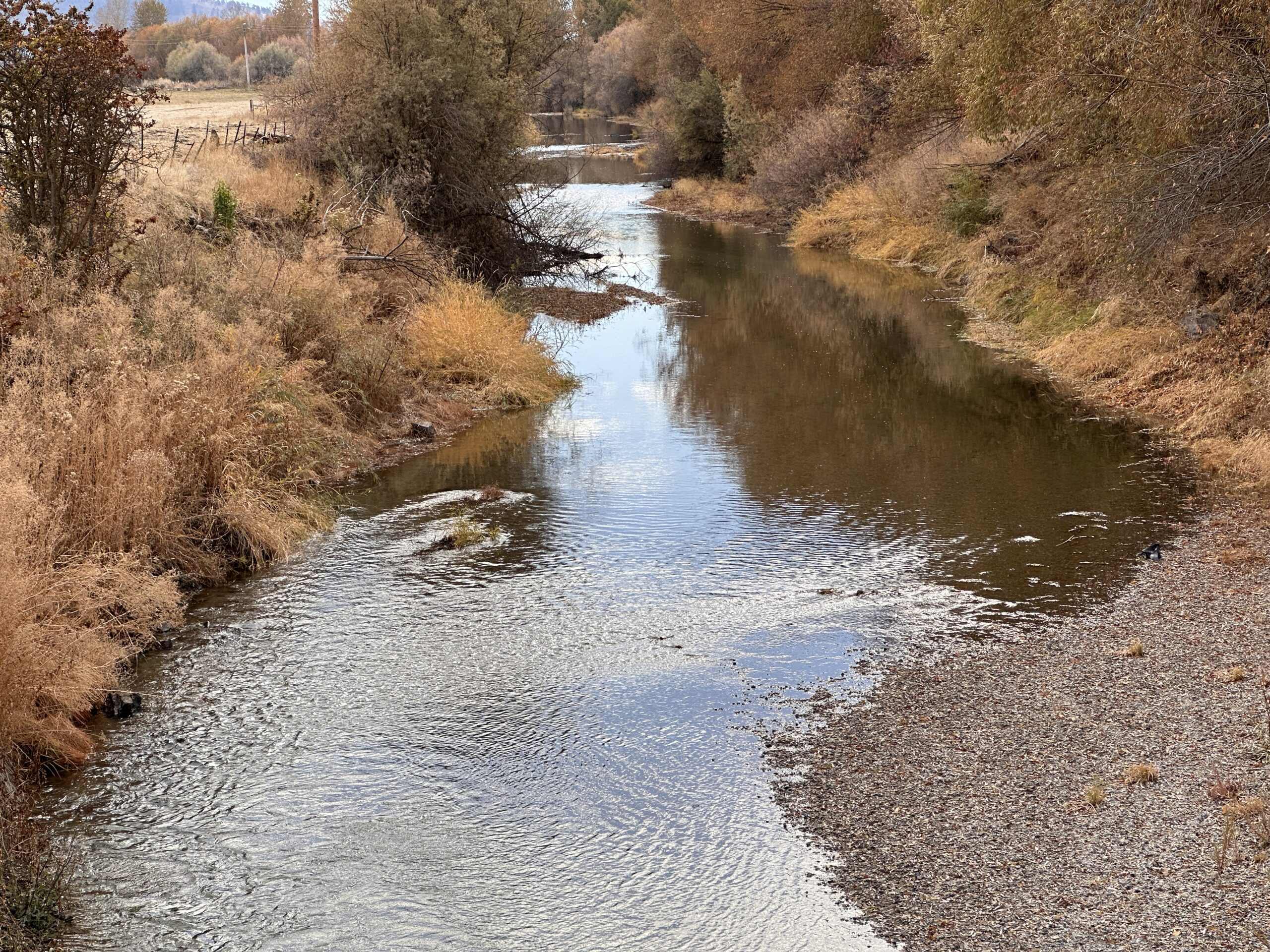
The legislation carries direct local resonance. Among its most prominent backers is the Karuk Tribe, whose ancestral lands lie along the Klamath River through western Siskiyou County and into Humboldt County.
“Tribal Leaders recognize that California’s water rights system, based on the ‘first in time, first in right’ principle, purposefully disenfranchised the original water users,” said Russell “Buster” Attebery, Chairman of the Karuk Tribe. “This resulted in California Tribes losing access to their water, traditional foods, and culture. We believe that healthy rivers and restored fisheries are inseparable from Tribal sovereignty in water governance.”
AB 2218 would establish as state policy the recognition of water-related inequities tied to historical state-sanctioned acts of termination, removal, and assimilation of California Native American tribes. The bill also has the Legislature formally acknowledge and apologize for more than a century of state policies that harmed Native Americans, adding the declaration to the Government Code.
The measure directs named state agencies — including the State Water Resources Control Board, regional water quality control boards, the Natural Resources Agency, the Delta Stewardship Council, and the Office of Land Use and Climate Innovation — to weigh that policy when revising or adopting regulations, permits, or grant criteria. A central provision would require the State Water Board, when investigating the basis of a claimed water right, to consult upon request with a tribe whose ancestral territory includes the water body at issue. The Karuk Tribe has argued that existing consultation policies are not legally airtight.
Kalra framed the bill as both an acknowledgment and a corrective. “There is a pressing need for legislation that formally recognizes these past mistakes and begins to address the harms Native communities have endured and continue to endure,” he said, describing measures “including protection of tribal water uses and consultation on water projects, plans, and policies.”
Malissa Tayaba, Vice Chair of the Shingle Springs Band of Miwok Indians, said state agencies “should protect our water uses and ensure that tribes receive just compensation for the destruction of our lifeways.”
Backers tie the bill to the loss of traditional food sources such as salmon, smelt, and freshwater mussels, and to instream-flow and water-quality problems affecting cultural and subsistence practices.
The bill arrives amid a broader and often contentious debate in Sacramento over the state’s water-rights framework, in which agricultural groups and water agencies have opposed several recent measures expanding the State Water Board’s authority over diversions. AB 2218’s practical effect on existing water users — including agricultural rights holders in the North State — would depend largely on how the named agencies implement the policy. The bill now awaits action in the State Senate.
Portions of this report, including details on the bill’s consultation provisions and co-authorship, drew on reporting by Ryan Burns of the Lost Coast Outpost.