

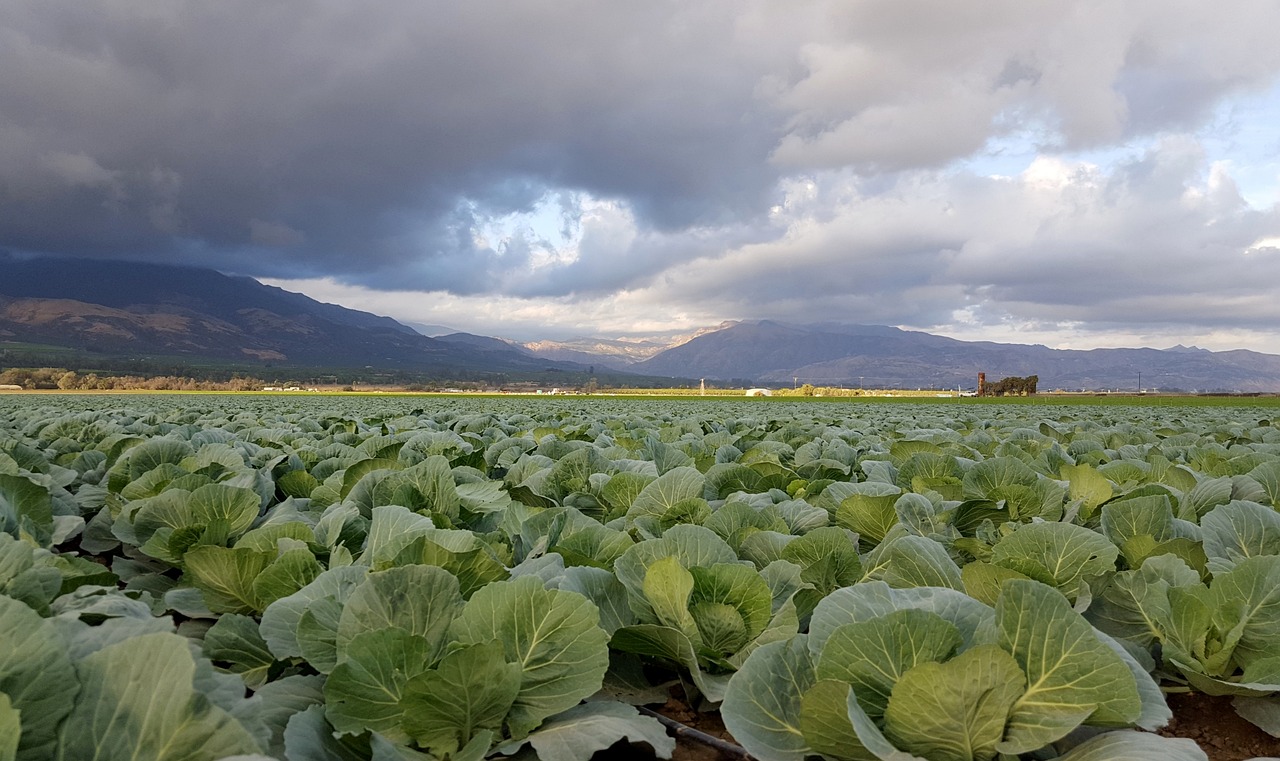
Safe Produce Doesn’t Happen by Accident
Government monitoring data demonstrates effectiveness of California’s pesticide regulatory system.
Recent data from the California Department of Pesticide Regulation shows that 97% of fresh produce tested in the state had either no detectable pesticide residues or residues below health-protective levels. This impressive safety record is no accident, according to Lindsey Carter, Executive Director of the California Agricultural Commissioner and Sealers Association (CACASA).
California, which produces 75% of the fruit, nuts, and vegetables consumed in the U.S., boasts some of the world’s most stringent pesticide laws. The state’s unique regulatory system ensures these laws are strictly enforced:
- Regulations are developed by the California Department of Pesticide Regulation (DPR), often more restrictive than federal standards.
- Agricultural Commissioners in each county enforce these regulations through a comprehensive system of checks and balances.
- 500 inspectors conduct over 30,000 in-person inspections annually, verifying compliance with pesticide use and worker protection standards.
Despite the challenging regulatory environment, California farmers maintain a 98.5% compliance rate with pesticide laws and regulations. This high level of adherence, coupled with the state’s robust monitoring and enforcement system, contributes to the safety of California’s produce.
Carter emphasizes that this effective regulatory framework, combined with farmers’ commitment to compliance, makes California “one of the safest places in the world to grow our food,” despite being one of the most difficult places to farm due to stringent regulations.
- FICTITIOUS BUSINESS NAME STATEMENT: Carson’s Window Coverings & More
- Traffic Stop in Siskiyou County Leads to $1.9 Million Cocaine Seizure, Driver Arrested
- F-35A Lightning II Jets from Luke AFB Arrive for Two-Week Training at Kingsley Field
- Mountain Lion F29 to Be Relocated Again — Residents Question Whether It Will Stick
- Fake Virus Alerts, Phishing, and Online Scams: How to Protect Yourself From Today’s Most Common Digital Threats