Home / Gardening / Permaculture Principles in the Garden

Permaculture Principles in the Garden

The Moon will be New on the 17th at around four a.m. a few days after there will be a rare planetary alignment in Aries. Mercury, Mars, Saturn, Neptune, Uranus, Chiron, Moon and Sun. Go outside at night and look for a string of planets starting on the 17th and witness this wonder.

As the new Moon ushers in a waxing or active phase of the Moon it will be time to work directly with plants, starting seeds, transplanting seedlings and/or planting out in the garden. Except for root crops, planting all other plants during the active phase is helpful.

Last week I was able to start my carrots, beets, turnips and radishes out in the garden, as they are hardy enough for any freezing temperatures. My scallions are still small so I will wait another few weeks to put them out in the garden. 

My tomatoes are ready for transplanting into four-inch pots. The eggplant and peppers are still too small to transplant. 

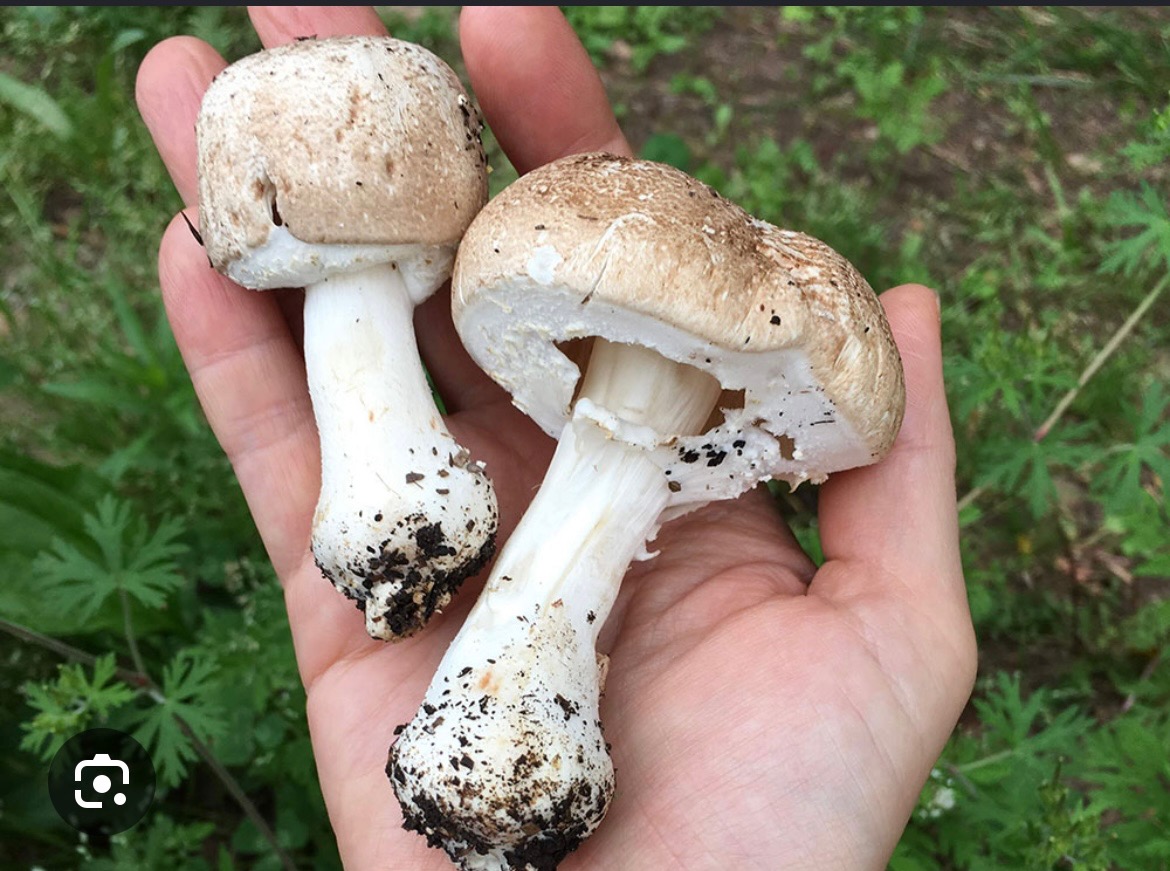
We are harvesting tons of Kale from the greenhouse. Iโ€™m getting pretty creative with recipes for kale. I also inoculated part of the greenhouse bed with mushroom spawn (โ€˜Almond Agaricusโ€™). NOTE: last year we began seeing button mushrooms (almond agaricus) in the greenhouse. Some of the spore must have been imported with the mushroom compost we added to the beds. They have been delicious!

Mushrooms are a great addition to a greenhouse micro biome as they consume organic carbon and atmospheric oxygen and emit carbon dioxide to the greenhouse biome. Green plants then breathe the carbon in and respire oxygen. The addition of mushrooms helps balance the system. I Canโ€™t wait for the pins to begin showing. Pins are baby mushrooms that precede mature mushrooms. 

Michael has put worm bins in two of our largest beds, the wire lined hoop houses he built where moles canโ€™t get in. He dug holes big enough to hold five-gallon buckets. A clump of worms was placed in the bucket with kitchen compost and fine carbon waste like dry leaves, forest duff or sawdust. He drilled several ยพ inch holes in the bucket around its circumference and on the bottom for worm migration into the bed as well as worm tea to drain. A wooden lid was placed over the bucket. These bins are managed by adding kitchen compost and carbonaceous material on a regular basis. 

Have you heard of Biochar?  Iโ€™d like to share the wonders of biochar and how to make it. In the Amazon basin large areas with rich dark soil were found. This soil is called Terra Petra (black soil). The inhabitants of the region created it some 500 to 2,500 years ago. This fertile soil was made by these ancient Amazonian civilizations by combining organic matter, bones, manure and biochar.

Biochar is a soil amendment which is created through pyrolysis, a process of slow and low burning of wood in an oxygen deprived environment. This process is smoldering wood without combustion. Biochar benefits soil by increasing nutrient availability as well as earthworm and microbial populations. It also holds onto water, decreasing irrigation and erosion. Biochar has a strong electrical charge which draws nutrients and can harness excessive (chemical) fertilizers that drain off farms and end up in waterways harming aquatic ecosystems. Biochar can reduce landfill waste and lower greenhouse gas emissions. It contributes to mitigating the effects of climate change through carbon sequestration and storage.

Making biochar at home for the garden is a simple process. The technique I use is to build a mound with fine branches and kindling at the base. Larger pieces of wood, preferably hardwood, are then stacked on top of the kindling. I get a good fire going and then cover the mound with green waste, sod or soil. I donโ€™t use our soil because it is so powdery (volcanic ash). This damps down the fire to a slow smolder without flame, between 600 to 900 degrees F. You will see some smoke and/or steam coming off the pile. The result is black charcoal which can then be broken down into fine pieces less than a quarter of an inch. I use a small sledgehammer to get the result Iโ€™m looking for. I then cover the char pile to keep it intact and add it to the compost pile (10-20%) with my green and brown waste.

I see biochar as a gift from the ancestors. By the way, in Italy, back in the day, โ€˜carbonariโ€™ (charcoal makers) had seasonal gatherings with family and friends out in the woods for the purpose of creating charcoal for household fuel. A chef friend of mine told me that Carbonara comes from this ritual. The folks would cook Carbonara while camping in the woods for the days they were there. It was a simple dish they could produce away from home.

I hope youโ€™ve found this information interesting and helpful. In the meantime, remember time spent near a river or stream helps you feel lighter and makes the world look brighter.


Leave a Reply

Your email address will not be published. Required fields are marked *