

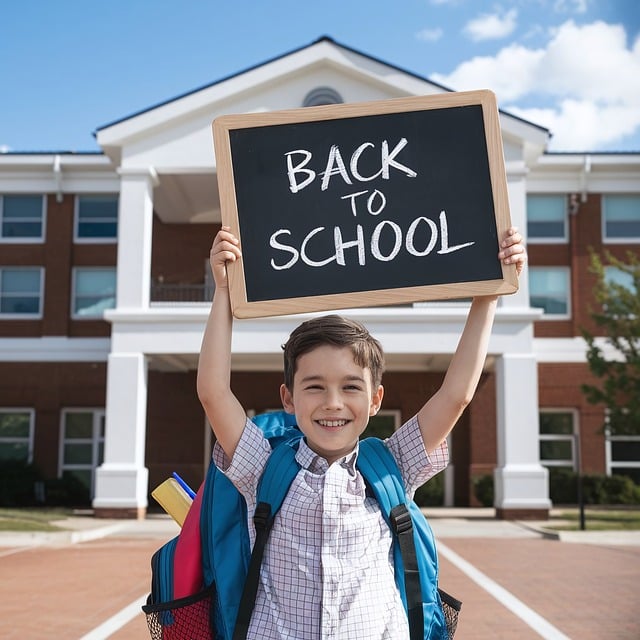
It’s that time of year when families are busy checking off those back-to-school lists, including making sure your student has the right pencils, notebooks, and backpack. But even more important than school supplies may be making sure your child is feeling emotionally and mentally ready to start the school year.
Here are four steps to help reduce stress and help support a healthy start of the school year for students.
- Create or Re-establish Routines: What time does the family sit down for dinner? When is homework time? What is the limit for screen time? When is “lights out” at night? What time do alarm clocks ring? The answers are important. Sticking to schedules can create consistency at home that may help your child feel more confident, secure, and stable.
- Schedule a Well-Child Visit: It’s always a good idea to make sure children 3 years and of age and older see their provider once a year for an annual routine well-child visit, even if they don’t feel sick. Pediatricians can assess your child’s physical & emotional health before school starts, setting them up for success for the rest of the year. It’s also a great time to complete their school’s physical forms, check their growth and development to help find and prevent any problems, and give them any needed immunizations. Ask your child’s doctor about what’s driving their physical development, such as diet, exercise, and sleeping habits.
- Discuss Mental Health: Bringing up mental health can show your child that it’s okay to start those conversations and that they always have a support network they can rely on. If they do talk about being scared or nervous, validate their feelings. Help them feel secure and let them know it’s possible to feel better. These can be sensitive topics for your child, so empathy, openness, and patience can go a long way in helping them feel heard and optimistic that they’ll be OK. Focus on your child’s overall disposition — not just what they’re saying — and watch for warning signs of issues, such as persistent sadness, sudden mood changes, or sleep problems.
- Help Develop Independence at Home: For younger kids entering preschool or kindergarten, encourage your child to dress themselves, use the bathroom without assistance, wash their hands, and put on their shoes. Your child should know how to wipe their face after lunch and blow their nose without assistance. They should also be comfortable asking an adult for help when needed.
- CALFIRE SISKIYOU UNIT HAND CREW SELECTED FOR BLUE RIBBON AWARD
- 10th DAA selects Kenny Elwood for 2026 Golden Pass
- FICTITIOUS BUSINESS NAME STATEMENT: Carson’s Window Coverings & More
- Traffic Stop in Siskiyou County Leads to $1.9 Million Cocaine Seizure, Driver Arrested
- F-35A Lightning II Jets from Luke AFB Arrive for Two-Week Training at Kingsley Field